2026 Top Mobile Car Battery Types for Global Buyers
Choosing a mobile car battery in 2026 requires more than checking voltage and price. Global buyers must match chemistry, vehicle design, climate, and daily driving habits.
Lead-acid batteries remain affordable and widely serviceable. Their cases are familiar in workshops from Lagos to Hamburg. Yet they are heavy, slower to recharge, and less tolerant of repeated deep discharge. AGM batteries offer stronger vibration resistance and better support for vehicles with start-stop systems. EFB batteries can suit standard start-stop cars, but they are not a universal upgrade.
Lithium-ion mobile car battery systems deliver lower weight and impressive cycle performance. A compact unit may fit beneath a seat rather than inside a large trunk compartment. However, cold-weather charging, battery-management systems, warranty coverage, and recycling access require careful review. Sodium-ion technology is also attracting attention for cost and resource advantages, though availability remains uneven in 2026.
Battery scientist Dr. Jeff Dahn has stated, “The battery is the most important component in an electric vehicle.” His point applies more broadly: battery selection influences reliability, safety, maintenance, and ownership cost. Buyers should compare usable capacity, cold-cranking performance, charging speed, connector compatibility, and certified protection features.
Numbers can mislead.
A lithium pack may appear superior until a replacement cannot be sourced locally. A cheaper lead-acid model may become expensive after frequent replacement in tropical heat. This guide examines the leading battery types, their practical strengths, limitations, and regional buying considerations. Some conclusions remain imperfect, because vehicle electronics and market standards continue changing. That uncertainty deserves honest attention.
12-Volt SLI Batteries: Six Lead-Acid Cells Delivering 400–800 CCA
2026 Top Mobile Car Battery Types for Global Buyers
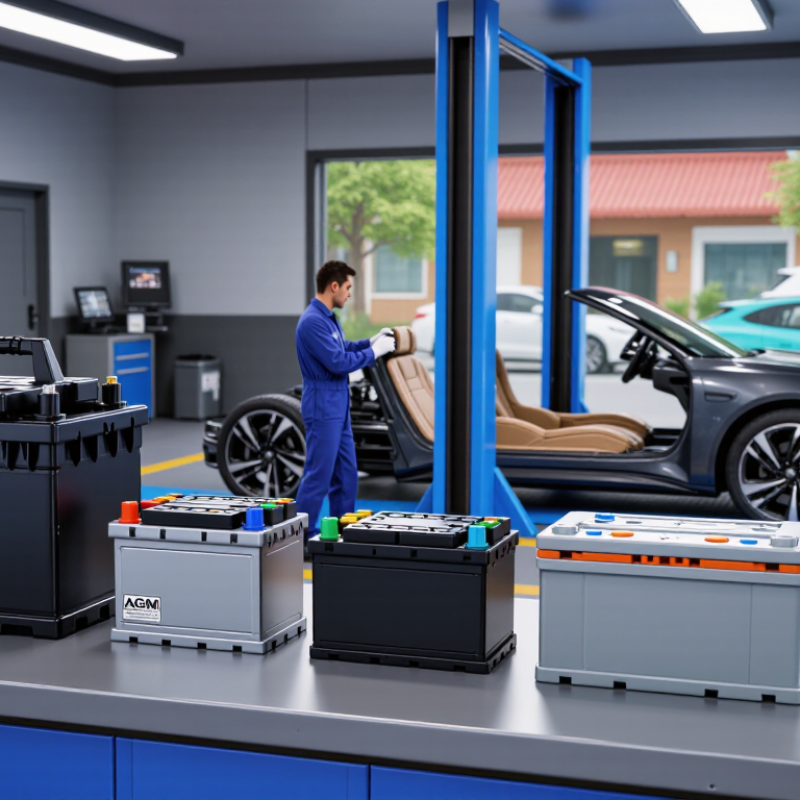
A 12-volt SLI battery uses six lead-acid cells, each producing about 2 volts. Its typical rating ranges from 400 to 800 CCA. Cold cranking amps show how strongly the battery starts an engine in cold conditions. Higher CCA can help large engines, winter climates, and vehicles with thick engine oil. However, CCA is not the whole story. Battery size, terminal position, reserve capacity, and charging compatibility also matter. A battery that fits poorly may cause vibration damage or loose connections.
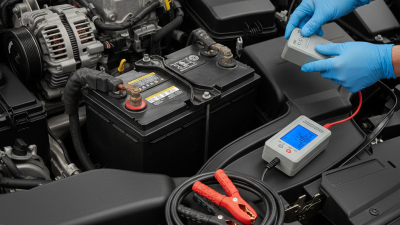
In practical vehicle inspections, technicians often check voltage, starting performance, and case condition together. A healthy resting voltage is commonly near 12.6 volts, but temperature can affect readings. Heat may shorten service life, while deep discharge can reduce capacity. I once treated a clean case as proof of good condition. That was a mistake. Internal plate damage can remain invisible. Regular testing is wiser than appearance-based judgment.
Tips: Match the battery group size and terminal layout before purchase. Choose CCA for the local climate, not only the largest number. Clean corrosion with proper protective equipment. Secure the battery firmly, then inspect charging voltage after installation. If the vehicle uses start-stop technology, confirm that the battery type matches its electrical demands.
Flooded, EFB, and AGM Batteries for Start-Stop Systems: 3–5× Cycle Life
Modern start-stop vehicles demand more than a simple engine restart.
Flooded batteries remain cost-effective for conventional cars, but frequent traffic-light stops can accelerate sulfation and plate wear. The ADAC Pannenstatistik 2024 reported that starter-battery problems caused about 44% of roadside breakdowns in Germany. That figure makes battery selection a practical reliability issue, not only a purchasing decision.
EFB batteries
add stronger plates and improved charge acceptance. They suit many entry-level start-stop systems and usually provide around twice the cycling endurance of basic flooded designs.
AGM batteries
use an absorbent glass mat and tolerate deeper discharge, vibration, and repeated restart events. Eurobat’s Battery Innovation Roadmap 2030 describes AGM technology as offering roughly three to five times the cycle life of conventional flooded batteries in demanding applications.
Real results vary.
Heat, short journeys, poor charging, and incorrect battery registration can reduce that advantage.
In field inspections, an AGM battery often performs better in vehicles with heated seats, electric tailgates, or long urban queues. EFB can be the sensible middle option. Check the vehicle’s original specification. Never downgrade an AGM system without technical approval. A stronger battery is not automatically better. Some claims sound too neat. Five times longer is possible under controlled testing, yet daily driving may deliver less. Battery age, charging voltage, and winter temperatures still matter.
LiFePO₄ and NMC Batteries: Comparing 90–250 Wh/kg Energy Density
2026 Top Mobile Car Battery Types for Global Buyers: LiFePO₄ and NMC Batteries
For mobile car battery systems, energy density affects weight, size, and driving range. LiFePO₄ batteries commonly deliver about 90–160 Wh/kg at the cell level. NMC batteries often reach approximately 150–250 Wh/kg. These figures can change with design, temperature, and testing methods. A higher number is not automatically better.
LiFePO₄ chemistry offers strong thermal stability and a long cycle life. It suits frequent charging, roadside equipment, and vehicles operating in hot climates.
NMC chemistry stores more energy in less space. This advantage helps compact electric vehicles and lightweight mobile power units. However, NMC systems require careful thermal management and battery controls.
A neat comparison is tempting, but it can mislead. Real-world pack density is lower than cell density because housings, wiring, cooling, and safety systems add weight.
Tips: Check pack-level Wh/kg, not only cell specifications. Ask for usable energy, cycle-life test conditions, and performance below freezing. Allow extra capacity for lights, compressors, and repeated starts. Verify charger compatibility before installation. Small details matter.
From practical battery evaluations, LiFePO₄ usually favors durability and stable operation. NMC often favors lighter packaging and longer travel between charges. Neither chemistry fits every buyer. Regional temperatures, service access, vehicle weight, and charging habits should guide the decision. Some published figures remain optimistic, so independent test data deserves more trust than a bold specification sheet.
Portable Jump-Starters: 12-Volt Systems Rated at 1,000–3,000 Peak Amps
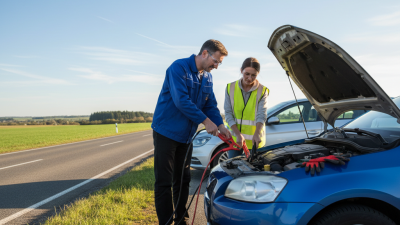
Portable jump-starters rated at 1,000–3,000 peak amps suit many 12-volt vehicles, but peak numbers need careful reading. They describe a brief electrical surge, not sustained starting power. Real performance depends on temperature, cable resistance, battery condition, and engine size. A compact 1,000-amp unit may support a small petrol engine, while larger diesel engines often need more reserve.
S&P Global Mobility reported that the average U.S. vehicle age reached 12.6 years in 2024. Older vehicles increase demand for practical emergency power, especially during cold mornings. Field experience shows that thick cables, clear polarity markings, and a strong clamp grip matter as much as the headline rating. Look for verified cranking-current data, reverse-connection protection, over-temperature control, and a battery indicator that remains readable outdoors. A flashlight helps.
SAE J537 provides established testing principles for automotive storage batteries, but portable jump-starter labels are not perfectly uniform across markets. That creates room for inflated comparisons. Buyers should check independent test conditions, charging time, operating temperature, and the number of supported starts. Lithium packs are light and convenient, yet they should not be treated as substitutes for a vehicle’s 12-volt battery. Electric vehicles still use auxiliary 12-volt systems, but a jump-starter must never connect to the high-voltage traction battery.
2026 Top Mobile Car Battery Types for Global Buyers: Portable Jump-Starters
12-volt portable jump-starters are commonly marketed in peak-current tiers from 1,000 to 3,000 amps. Peak amperage is an advertised maximum and does not equal continuous output or guaranteed starting performance.
Higher-rated units are generally selected for larger engines, colder conditions, diesel applications, or repeated starts. Buyers should also compare battery chemistry, operating-temperature range, cable quality, safety protections, and tested starting current.
Global Buyer Standards: IEC 60095, UN 38.3, Cold Cranking, and Safety Tests
Global buyers should compare battery chemistry with the required test standard. Flooded, EFB, and AGM batteries remain common starter choices. Lithium iron phosphate batteries are lighter, but their certification scope differs. IEC 60095-1 specifies performance and safety requirements for lead-acid starter batteries, including capacity, durability, and cold-cranking performance.
Cold Cranking Amperes show starting output at low temperature. However, CCA values are meaningful only when tested under the same procedure. A workshop test at minus 18°C can expose weak plates, poor terminals, or incorrect ratings. Fit matters. IEC 60095 results should be checked beside vehicle voltage, dimensions, polarity, and reserve capacity. Numbers need context.
Transport compliance is separate.
The UN Manual of Tests and Criteria, 8th revised edition, requires applicable lithium batteries to pass UN 38.3 transport tests. These include altitude simulation, thermal cycling, vibration, shock, external short circuit, and overcharge testing. The International Energy Agency reported nearly 14 million electric cars sold globally in 2023, increasing demand for compact lithium auxiliary batteries. Yet a transport test does not prove long-term starting performance. This distinction is often missed. Buyers should request test summaries, production-batch traceability, terminal insulation checks, and documented abuse testing. A small weakness remains: published CCA figures may not reflect hot climates, repeated short trips, or an aging vehicle charging system.