7 Best Electric Tonneau Covers for Trucks?

A pickup bed is more than empty cargo space. It carries tools, groceries, camping equipment, and expensive equipment through changing weather. That makes cover selection a practical decision, not merely a styling upgrade. The growing accessory market supports this demand. SEMA reported that the U.S. specialty-equipment industry reached approximately $52.3 billion in 2023. Grand View Research also identifies automotive accessories as a continuing growth category worldwide.

An Electric Tonneau Cover adds convenience through powered opening, remote controls, and cleaner bed access. However, convenience does not guarantee durability. Water can enter through poorly aligned seals. Snow can stress the rails. Small motors may struggle when debris blocks the track. These details matter.

This guide evaluates seven leading electric tonneau covers for trucks. Each option is considered through construction quality, installation complexity, weather protection, security, motor performance, and warranty support. Manufacturer specifications provide a starting point. Real-world use provides the harder test. A cover that performs well on a dry showroom floor may behave differently after months of dust, rain, and temperature changes.

There is no perfect model for every truck owner. Some drivers need maximum bed access. Others prioritize quiet operation or strong cargo protection. Fuel-economy claims also deserve caution, because driving speed, payload, tires, and weather can influence results more than a bed cover. That limitation is easy to overlook.

The recommendations below balance verified specifications with practical ownership concerns. They also acknowledge compromises, because a premium price does not always deliver the best daily experience.
7 Best Electric Tonneau Covers for Trucks?

What Is an Electric Tonneau Cover?

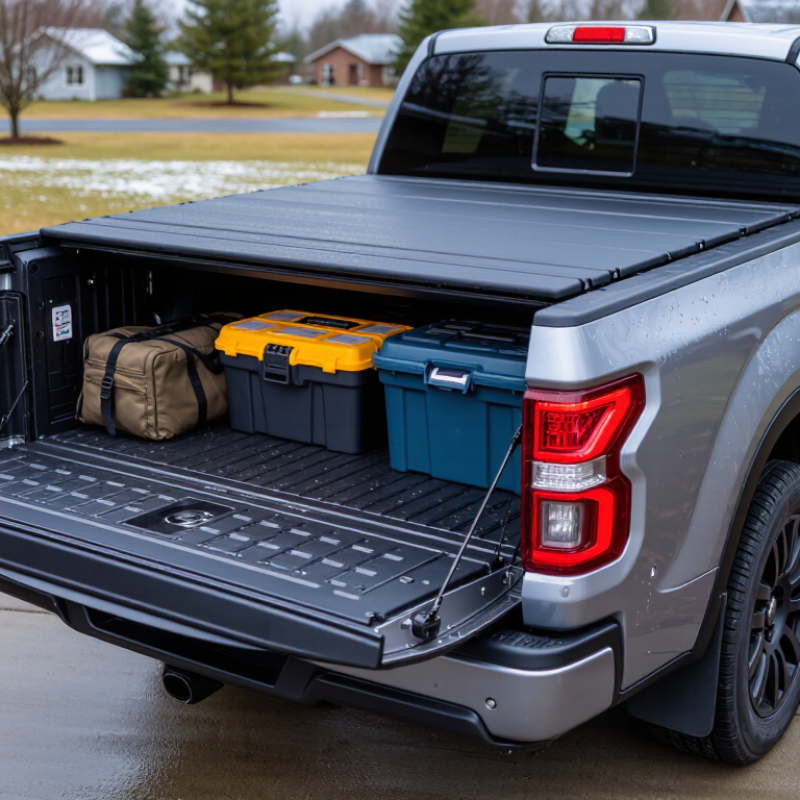
An electric tonneau cover is a powered bed cover for a pickup truck. It uses a small 12-volt motor to open, close, or position the cover. Most designs use rolling slats, hinged panels, or retractable sections. A dashboard switch, remote control, or wireless button controls movement. The cover can protect tools, groceries, and luggage from sun, rain, and casual visibility. However, water-resistant does not always mean waterproof. Seals, drainage channels, and installation quality matter.

Tips: Check the truck bed dimensions before purchasing. Measure the rail width, tailgate clearance, and available space near the cab. Confirm whether the cover supports a manual override. This feature helps when the battery is weak or the motor stops. Keep the rails clean, especially after driving on dusty roads. Do not place heavy cargo on the cover unless its load rating clearly allows it.

A reliable electric cover should include pinch protection and a secure closing system. It should also stop smoothly instead of jerking near the tailgate. In practical inspections, small gaps often reveal poor alignment. That detail is easy to miss. Wiring must stay protected from water and sharp metal edges. Professional installation may reduce those risks, although even experts can overlook drainage after a hurried fitting. Choose a design that matches your daily use, not only its convenient remote control.

How Electric Tonneau Covers Work

An electric tonneau cover turns bed protection into a controlled mechanical process. A small motor drives interlocking slats or a flexible panel along side rails. When you press a cab-mounted switch or remote button, the motor rotates a drive shaft. The cover then rolls, folds, or retracts toward the bulkhead. Movement stops when a limit sensor detects the programmed end position. Some systems include a manual release, which matters when power fails. Quiet operation is useful, but it is not silent.

Power usually comes from the truck’s 12-volt electrical system. An inline fuse protects the circuit, while sealed connectors help resist moisture. The rails guide the cover and support its weight during travel. Small drainage channels carry rainwater toward outlets near the tailgate. In practice, installation quality affects performance as much as the motor. A crooked rail can create rubbing, uneven gaps, or a cover that stops halfway. I would inspect alignment before blaming the electronics.

Electric covers are convenient, not maintenance-free. Dust, leaves, and thin ice can increase resistance and strain the motor. Clear the tracks gently and keep drainage outlets open. Never force the panel while the motor is running. Check the stated load rating before placing cargo on top. Weather sealing also has limits; heavy spray may enter through tailgate gaps. After several months, listen for new clicking or slower travel. Those changes deserve attention, even if the cover still closes. A thoughtful owner tests the manual release before an emergency, not during one.

Key Features for Comparing Electric Tonneau Covers

Choosing among the 7 best electric tonneau covers requires more than comparing opening speed. Check the motor, battery draw, sealing, and emergency access. A quiet 12-volt motor should open smoothly without straining the truck’s electrical system. Look for sealed hinges, corrosion-resistant rails, and drainage channels. The International Protection Code classifies water resistance by IP ratings, but not every cover publishes a complete rating. That gap deserves attention.

Cargo security matters at the tailgate. A cover should lock firmly when the truck doors are locked, yet release manually during power failure. Check whether the panels stop when they meet an object. This small detail can protect fingers, tools, and the cover itself. SEMA’s 2024 Market Research report continues to identify pickup trucks as a major aftermarket category, reflecting strong demand for practical accessories. Demand alone does not prove durability.

Weather testing is equally important. The U.S. National Oceanic and Atmospheric Administration reports increasing precipitation extremes in several regions, so drainage design cannot be treated as decoration. Ask for water-leak testing, temperature limits, and warranty terms covering motors and electronics. Independent testing is more convincing than polished product claims. I would also measure usable bed height with the cover fully rolled or folded. Some designs save time but reduce cargo space. That trade-off is easy to miss. A useful comparison records noise, closing speed, remote range, and performance after repeated rain. Real trucks are imperfect test benches. Your results may differ.

7 Best Electric Tonneau Covers for Trucks: Key Features for Comparing Electric Tonneau Covers

This comparison uses a 1–10 feature score to evaluate common electric tonneau cover priorities: weather protection, security, cargo access, installation simplicity, and power efficiency. Higher scores indicate stronger overall performance in that category.

For buyers, weather sealing and security are especially important for daily use, while cargo access and installation simplicity can make a major difference in convenience. Power efficiency is useful for reducing the load on the truck’s electrical system.

Seven Top Electric Tonneau Covers Compared

Electric tonneau covers vary widely in speed, weather protection, storage, and installation effort. This comparison examines seven common designs for daily truck use. The right choice depends on bed length, cargo habits, and local weather.

The retractable aluminum slat cover offers strong security and smooth motorized movement. It usually needs a front canister, which reduces usable bed space. A low-profile flush cover looks clean and creates less wind noise, but its sealed rails can become difficult to clean. The powered tri-fold cover opens quickly and suits drivers who carry tall cargo occasionally. Its folded sections may block part of the rear window. A compact canister model saves space near the cab, yet small debris can affect its tracks.

A hard-panel folding cover provides a firm surface for light cargo, though its hinges deserve regular inspection. The electric roll-up cover is lightweight and simple to handle, but its flexible material may resist heavy snow. A hybrid rail-and-panel design balances stiffness with easier access, although installation can take longer. Check motor noise, emergency release access, drain-tube routing, and remote response before buying. I would also test the cover with wet cardboard inside the bed; advertised sealing can look better than real performance. Bed rail accessories may interfere with several designs. That detail is easy to miss. Expect occasional adjustments. Proper fit matters more than flashy controls.

How to Choose and Maintain the Right Cover

Choosing among the 7 best electric tonneau covers requires more than comparing motor speed. Check bed compatibility, sealing quality, warranty length, and manual override access. A cover should open smoothly beside a loaded toolbox. It should also stop without harsh rattling.

SEMA’s 2024 State of the Specialty-Equipment Industry report valued U.S. specialty-equipment sales at about $52 billion in 2023. That demand creates more choices, but not always better engineering. Electric covers may improve convenience, yet their motors, wiring, drains, and sensors need regular attention. Field experience suggests that water entry often begins with blocked channels, not failed electronics. Inspect the rails after dusty trips. Wipe the rubber seals with a suitable protectant. Never force the panel when ice or cargo prevents movement.

Tips: Measure the bed twice. Confirm the cover clears your cab and tailgate. Keep the controller dry. Lubricate moving joints only with the manufacturer-approved product. A soft brush removes grit better than a pressure washer. Check mounting bolts every few months, especially after rough roads. I would not trust fuel-saving claims without controlled testing; aerodynamic results vary with speed, load, and cover design. The perfect cover remains a marketing idea. Choose the one you can maintain consistently.

7 Best Electric Tonneau Covers for Trucks? - How to Choose and Maintain the Right Cover

Comparison of seven common electric tonneau-cover configurations. Specifications are typical market ranges and should be checked against the truck’s exact bed dimensions.
Rank Cover Configuration Typical Construction Operating Method Bed Access Weather Protection Security Level Typical Added Weight Best Use
1 Electric Retractable Slat Cover Interlocking aluminum or reinforced polymer slats with a canister near the cab 12-volt motor, wired switch, remote, or both Full, partial, or closed depending on the stop position Good when seals, drains, and rails are correctly installed High; rigid slats are more resistant to cutting than fabric Approximately 70-110 lb Daily driving, frequent access, and a clean appearance
2 Electric Roll-Up Cover Flexible reinforced vinyl or fabric over horizontal support bars Motorized roller with remote or cab-mounted control Usually full or partial; may require a compact storage area Moderate to good; depends heavily on tension and side seals Moderate; flexible material offers less cut resistance Approximately 45-75 lb Owners seeking lower weight and simple cargo access
3 Electric Folding Panel Cover Two- or three-section rigid composite or aluminum panels Motor-assisted folding mechanism with latch or remote control Partial access is convenient; full opening may need panel clearance Good when panel joints and tailgate seals are aligned High when closed and properly latched Approximately 65-100 lb Mixed cargo use requiring quick partial opening
4 Electric Hard-Top Retractable Cover Rigid composite or aluminum surface with integrated drive rails Motorized retraction controlled from a switch or remote Variable opening positions; storage typically occupies front-bed space Good to very good with correctly fitted perimeter seals High; rigid surface and enclosed hardware improve protection Approximately 80-125 lb Premium appearance and stronger cargo protection
5 Electric Low-Profile Cover Slim aluminum or composite panels mounted close to the bed rails 12-volt motor with electronic control Usually adjustable opening with limited visual bulk Good if the low-profile side channels remain clear Moderate to high, depending on panel material and lock design Approximately 60-95 lb Drivers who prioritize appearance and reduced wind exposure
6 Electric Utility-Rail Cover Motorized cover combined with side rails for tie-down accessories Motor, remote, or wired switch with manual override Adjustable access while retaining rail-mounted equipment Moderate to good; accessory openings require careful sealing Moderate; rail hardware can create additional access points Approximately 75-115 lb Work trucks carrying tools, racks, or tie-down systems
7 Electric Hybrid Cover with Manual Override Rigid or semi-rigid cover with an emergency manual release Electric operation plus manual opening during power loss Flexible; often supports several opening positions Depends on the selected panel or slat design Moderate to high when the latches are fully engaged Approximately 60-110 lb Owners who want electric convenience and backup access

Selection and Maintenance Checklist

Area What to Check Recommended Practice
Fitment Bed length, rail design, toolbox position, tailgate configuration, and installed accessories Use the truck’s measured bed size and model-year-specific fitment guide before ordering.
Electrical System 12-volt power connection, fuse protection, grounding, and cable routing Keep wiring away from sharp edges, heat sources, and moving rails; disconnect power before servicing.
Cleaning Dust, road salt, mud, and debris in the cover surface and tracks Rinse with clean water, use mild soap, and avoid abrasive brushes or high-pressure spray directly on seals.
Drainage Drain tubes and channels near the front storage canister Inspect and clear the drains regularly so water does not collect inside the bed or canister.
Lubrication Side rails, bearings, latches, and moving joints Apply only the lubricant specified for the cover; do not use heavy grease where it can trap dust.
Inspection Loose fasteners, worn seals, damaged slats, unusual motor noise, or uneven movement Inspect monthly and stop operation if the cover binds, shifts, or fails to latch securely.
Winter Care Ice or snow around rails, seals, and the tailgate Remove ice gently before operating; never force the motor against a frozen cover.

Note: Load limits, water resistance, installation requirements, and electrical specifications vary by truck and cover design. Always follow the applicable installation and maintenance instructions.