Best Car Battery Options You Should Consider Now?
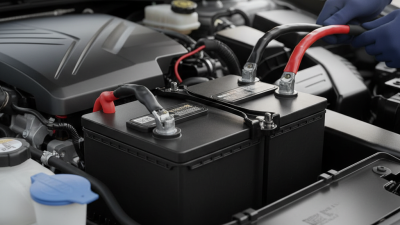
Choosing the right car battery is crucial for your vehicle's performance. A reliable car battery ensures that your engine starts efficiently and powers all electrical components. With many options available, selecting one can be overwhelming. Understanding your vehicle’s needs is essential.
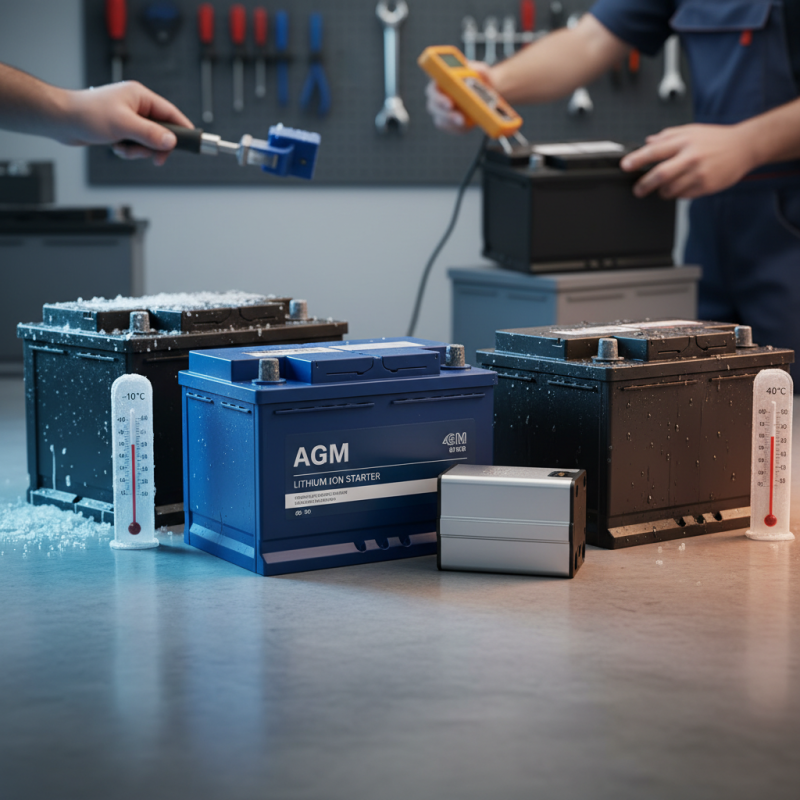
Consider the climate where you live. Extreme temperatures can affect battery life. For example, hot conditions may cause battery fluid to evaporate faster. In contrast, cold weather can reduce battery capacity. It’s vital to choose a car battery that can handle these challenges.
Do you need a maintenance-free battery? Many modern batteries offer this feature. However, others require regular checks. Make sure to evaluate your lifestyle and preferences. Quality should always be a priority. The right choice could save you from unexpected breakdowns. Keep in mind, not all batteries are made equal. Researching your options is key.
Best Car Battery Types: Lead-Acid vs. Lithium-Ion Comparison
When choosing a car battery, understanding the type is essential. The two main types are
lead-acid and
lithium-ion batteries.
Lead-acid batteries are more traditional and often less expensive. They have been around for many years, providing reliable power. They work well for many standard vehicles. However, they can be heavy and bulky. Their lifespan is often shorter, requiring more frequent replacements.
On the other hand, lithium-ion batteries are gaining popularity. They are lighter and more compact. This allows them to fit into modern electric and hybrid vehicles. They offer a longer lifespan and faster charging times. However, they tend to be more expensive upfront. While they have great efficiency, they might require special care. Owners should consider these factors carefully.
Ultimately, the choice between
lead-acid and
lithium-ion depends on individual needs. It’s important to weigh the pros and cons of each type. Reflecting on your driving habits can guide you. If you need something affordable,
lead-acid may suffice. If longevity and weight matter,
lithium-ion may be worth the investment. The decision is personal and should be made thoughtfully.
Understanding Cold Cranking Amps (CCA) and Their Importance in Performance
Cold Cranking Amps (CCA) is a crucial factor when choosing a car battery. It measures a battery's ability to start an engine in cold temperatures. Higher CCA ratings mean better performance in cold weather. A battery with a low CCA could struggle to start your car during winter months, leading to frustration and potential delays.
When selecting a battery, consider your climate. If you live in a colder area, opt for a battery with a high CCA. Look for batteries that advertise their CCA ratings clearly. We all sometimes buy on impulse, but research is key. Understanding your vehicle's requirements will help avoid unnecessary complications later.
Tips: Check your owner's manual for the recommended CCA. This ensures compatibility. A battery might look good but fail in performance. Don't neglect battery maintenance, such as checking connections and terminals. A little care can significantly extend battery life.
Factors Affecting Car Battery Lifespan and Maintenance Tips
Car batteries are crucial for vehicle performance. Their lifespan often depends on several factors. Weather extremes, for instance, can significantly impact battery health. Hot climates accelerate battery fluid evaporation, while cold temperatures can reduce starting power.
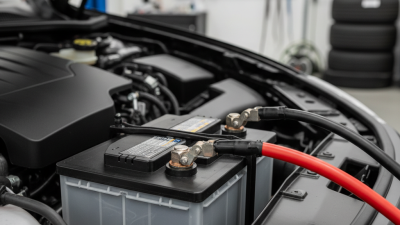
Regular maintenance can extend battery life. Check the battery terminals for corrosion. Clean them when necessary. Additionally, keeping the battery securely mounted helps prevent vibrations that can cause internal damage.
Driving habits also play a role in battery lifespan. Short, frequent trips can lead to incomplete charging. Longer drives allow the battery to fully recharge. It's essential to be mindful of these habits. This awareness can help you avoid unexpected battery failures. Understanding your battery's needs is key.
Car Battery Life Expectancy by Battery Type
This chart displays the average lifespan of various car battery types. Lead-acid batteries have a lifespan of about 3 years, while AGM batteries last approximately 5 years. Gel batteries typically offer a lifespan of around 4 years, whereas lithium-ion batteries can last up to 10 years, making them a preferred option for longevity and reliability.
Top Car Battery Brands of 2023: Reliability and Customer Reviews
Choosing the right car battery is crucial for vehicle performance. In 2023, several brands stand out for their reliability and strong customer reviews. Factors such as longevity, warranty, and maintenance needs influence consumer preferences. Detailed comparisons reveal distinct strengths among the top contenders, yet individual experiences vary.
User feedback highlights issues with some brands, particularly in extreme weather conditions. While many models perform well, a few may struggle with cold starts. Not everyone has the same expectations; some value quick deliveries, while others prioritize longevity. It’s vital to check online reviews and talk to fellow car owners for insights. Personal experiences often shape opinions more than advertisements.
Many consumers overlook specific details when purchasing batteries. For instance, reserve capacity ratings can impact how long a battery can sustain power without the engine running. Ignoring these facts can lead to incorrect choices. Researching the most recent models, and gathering feedback from trusted sources enhances decision-making. It’s an ongoing process, and staying updated helps avoid pitfalls.
Best Car Battery Options You Should Consider Now?
| Battery Type |
Capacity (Ah) |
Best For |
Average Lifespan (Years) |
Price Range ($) |
Customer Rating (out of 5) |
| Lead-Acid |
50-100 |
Standard Vehicles |
3-5 |
100-200 |
4.2 |
| AGM (Absorbent Glass Mat) |
60-120 |
Luxury and Start-Stop Vehicles |
4-7 |
150-300 |
4.5 |
| Lithium-Ion |
50-120 |
Electric Vehicles |
8-15 |
400-800 |
4.8 |
| Gel |
50-100 |
Leisure and Off-Grid Use |
3-7 |
120-250 |
4.3 |
Eco-Friendly Car Battery Options: Sustainability in the Automotive Industry
The automotive industry is undergoing a significant transformation with the rise of eco-friendly car battery options. Traditional batteries often contain harmful materials that can affect the environment. In contrast, electric vehicle (EV) batteries made from recyclable materials pose a less harmful alternative. According to a report by the International Energy Agency, EV sales surged to 6.6 million units in 2021, highlighting the growing demand for sustainable automotive solutions.
Innovative battery technologies are now incorporating more sustainable practices. For instance, lithium-ion batteries are becoming more efficient and easier to recycle. A study from the Global Battery Alliance indicates that if the global market shifts towards sustainable batteries, about 80% of battery materials could be reused by 2030. This would significantly reduce the demand for new raw materials, which is a critical aspect of sustainability.
However, challenges remain in the industry. The mining of lithium and cobalt can have detrimental environmental effects. Additionally, the recycling processes for these materials need improvement. While the progress is promising, further efforts are necessary to ensure that sustainability becomes the norm, rather than the exception, in battery production. Companies must address these issues transparently and strive for better practices.