Find the Best Electrical Breakers for Your Needs Today?
Choosing the right Electrical Breakers is crucial for your home or business. Electrical breakers are essential components that help prevent overloads and short circuits. A reliable breaker ensures safety and protects your property from potential damage. With a variety of options on the market, selecting the right one can be overwhelming.
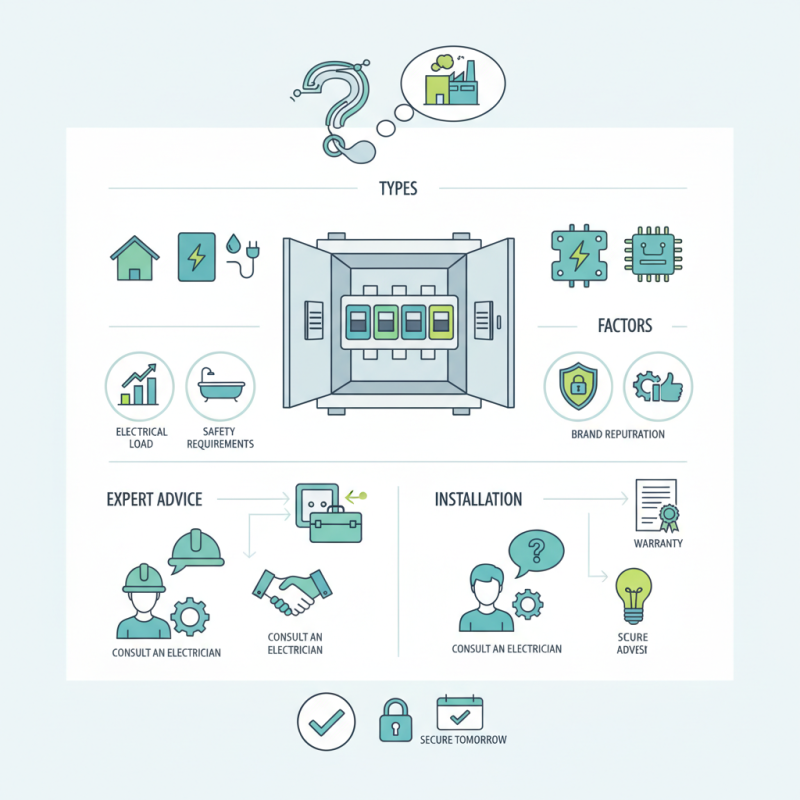
When considering electrical breakers, think about your specific needs. Different types exist, including standard, GFCI, and AFCI breakers. Each serves a unique purpose, and your choice should be guided by factors such as electrical load and safety requirements. It’s also important to consider the brand reputation. Some brands are known for their durability and efficiency, while others may raise concerns.
Don't overlook the importance of professional installation. Proper installation improves safety and maintains warranty considerations. If you're unsure, consulting an electrician can make a big difference. Their expertise can help you find the best electrical breakers suited to your requirements. Reflect on your electrical needs today to ensure a secure tomorrow.
Understanding the Different Types of Electrical Breakers Available
When choosing electrical breakers, understanding their types is crucial. Circuit breakers serve as safety devices that protect electrical systems from overloads and short circuits. The most common types are standard, GFCI, and AFCI breakers. Each serves a unique purpose in safeguarding your home.
Standard breakers protect against overloads. They interrupt circuits when current exceeds the rated limit. GFCI breakers are essential in areas like kitchens and bathrooms. They reduce the risk of electric shock by monitoring the current flow and shutting off power when an imbalance is detected. AFCI breakers, on the other hand, prevent electrical fires. They detect arc faults that can occur in damaged wiring.
Consider the layout of your home and specific needs. An extensive home with numerous devices may require specialized breakers. However, using the wrong type could lead to inconvenience. Installation can be tricky, and a professional’s help may be needed. Think about the balance between safety and functionality. Choosing the right electrical breaker is a task deserving careful thought and expertise.
Key Features to Consider When Choosing Electrical Breakers
When selecting electrical breakers, understanding key features is essential. Breakers protect circuits from overloads and short circuits. Choosing the right type ensures safety and reliability in your home or business.
Consider the current rating of each breaker. This rating must match or exceed the expected load. Another important feature is the trip mechanism. Some breakers use thermal or electromagnetic systems. Knowing the difference can help you optimize performance.
Don’t overlook the voltage rating. Breakers should be compatible with your system voltage. It’s also wise to assess installation requirements. Some models require more space. This can affect placement in your electrical panel. Ensure you evaluate all options carefully. Mistakes in selection can lead to increased risks or costs down the line.
Electrical Breakers Type Comparison
This chart compares the number of features associated with different types of electrical breakers. Choosing the right type of breaker is essential for ensuring safety and efficiency in electrical systems.
How to Determine the Right Size and Rating for Your Electrical Needs
When choosing electrical breakers, understanding size and rating is crucial. Electrical breakers protect your home from overloads and short circuits. Each circuit requires a specific amperage rating to function safely. Common ratings include 15A, 20A, and 30A. However, these ratings depend on the circuit’s wire gauge and the appliances you plan to use.
Consider the total load of devices in each room. This helps determine the appropriate breaker size. A kitchen with multiple appliances may need a higher rating, while a bedroom might not. It’s easy to underestimate the load, so careful calculations are necessary. Using too small of a breaker can lead to frequent tripping, while an oversized breaker poses a fire risk.
If you’re unsure about your calculations, seeking expert advice is essential. Professionals can assess your electrical needs accurately. Remember, safety is paramount. Evaluating your home's electrical capacity doesn't just prevent nuisances; it safeguards your family. Review your setup periodically. An outdated system might not meet current demands or efficiency standards.
Installation Tips for Maximizing the Performance of Electrical Breakers
When it comes to electrical breakers, proper installation is essential for optimal performance. First, ensure that you choose the right breaker type for your system. Different environments and load requirements call for specific breakers. Conducting a load analysis can guide you in selecting breakers that meet your electrical needs. This can prevent tripping and potential damage later on.
Installation should always be performed following local regulations. Make sure the breaker is correctly matched with the wire size. Undersized wiring can lead to overheating. Use a torque wrench to secure connections properly. This ensures a stable and safe installation.
However, be aware that not all installations go smoothly. It’s common to encounter issues like crowded panels. Take time to organize your electrical panel. This can improve access for maintenance and troubleshooting.
Don't overlook the importance of testing your breakers after installation. Regular tests can reveal flaws or weaknesses in your system. A well-installed breaker should respond appropriately under load. Remember, electrical systems are not always perfect. Allow yourself to learn from challenges that arise during installation. Embrace the process as a way to enhance your expertise.
Maintenance Practices to Extend the Lifespan of Your Breakers
Electrical breakers are vital components in any electrical system, yet they often go unnoticed. Regular maintenance practices can significantly extend their lifespan. Inspecting your breakers periodically is essential. Look for signs of wear or overheating. If you notice any discoloration or burnt smells, it’s time to act.
Another important practice is keeping the breaker panel clean. Dust and debris can accumulate over time. A simple wipe with a damp cloth can prevent potential issues. Make sure the area around the panel is clear. Avoid storing items in close proximity to your breaker box. This habit can lead to accidental damage.
Lastly, consider testing your breakers regularly. A simple functionality test can ensure they operate correctly. If a breaker trips frequently, it might indicate a deeper issue. Don’t ignore these signs. They often warrant professional evaluation. Being proactive about your electrical system can save you time and hassle in the long run.
Find the Best Electrical Breakers for Your Needs Today? - Maintenance Practices to Extend the Lifespan of Your Breakers
| Breaker Type | Amperage Rating | Voltage Rating | Application | Maintenance Tips |
| Standard Circuit Breaker | 15-20 Amps | 120/240V | Residential | Regularly check for tight connections and clear from obstructions. |
| GFCI Breaker | 15-30 Amps | 120/240V | Kitchen, Bathroom | Test monthly and ensure humidity levels are controlled. |
| Double Pole Breaker | 20-60 Amps | 240V | HVAC, Large Appliances | Inspect regularly and ensure proper amperage is maintained. |
| Arc Fault Breaker | 15-20 Amps | 120/240V | Living Rooms, Bedrooms | Regular inspections for effectiveness and replacing when tripped. |
| Smart Breaker | 15-60 Amps | 120/240V | Home Automation | Keep firmware updated and monitor via app for notifications. |