2026 How to Choose the Best 12v Car Battery for Your Needs?
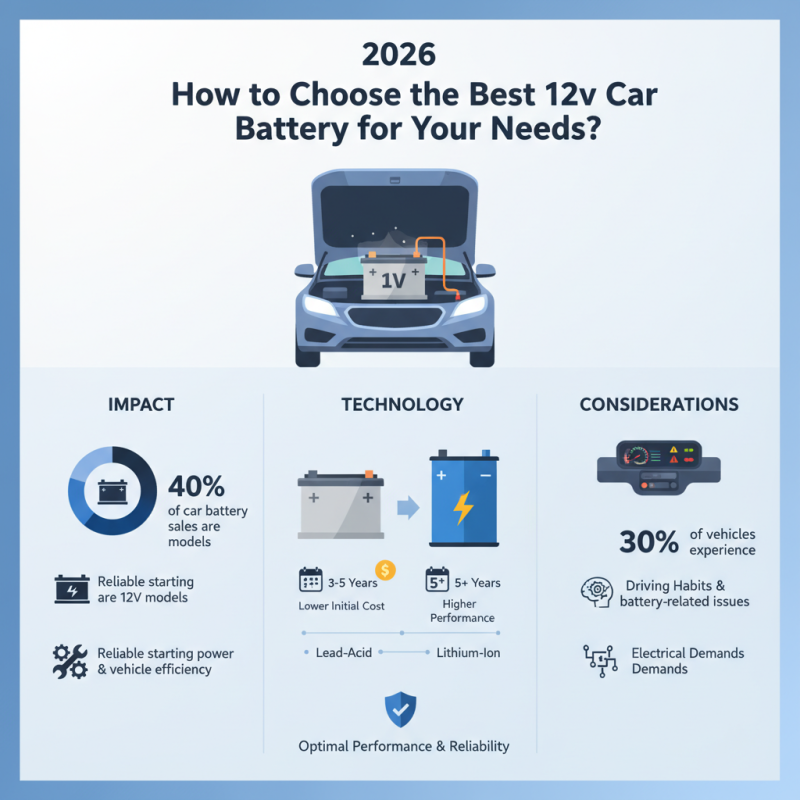
Choosing the right 12v car battery can significantly impact your vehicle's performance and longevity. Recent industry reports indicate that nearly 40% of car battery sales are 12v models, highlighting their widespread use. Many drivers overlook the importance of selecting a high-quality battery suited for their specific needs. An appropriate choice ensures reliable starting power and overall vehicle efficiency.
Battery technology has evolved considerably. The market now offers various options, from lead-acid to lithium-ion types. Each has unique benefits and drawbacks, making it essential to consider your driving habits and vehicle requirements before making a selection. For instance, lead-acid batteries typically last 3 to 5 years, while lithium-ion can exceed that lifespan.
When evaluating your options, consider your vehicle’s electrical demands. A poorly chosen battery can lead to unexpected failures and increased maintenance costs. Reports show that over 30% of vehicles experience battery-related issues. Therefore, investing in the right 12v car battery is crucial for optimal performance and reliability.
Understanding 12v Car Battery Types and Specifications
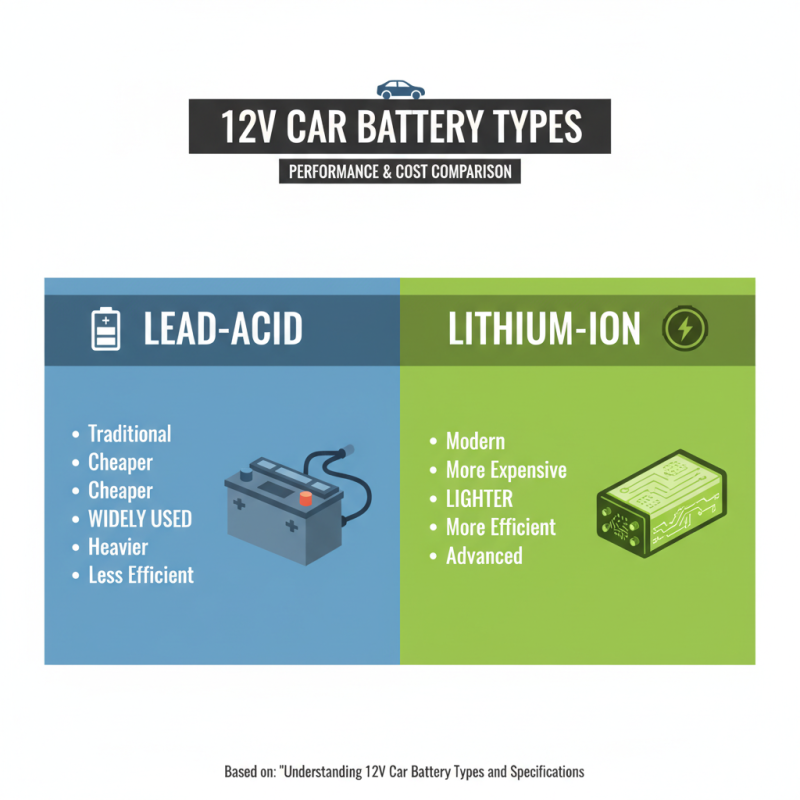
Choosing the right 12v car battery is essential for optimal vehicle performance. Understanding battery types and specifications helps you make informed decisions. There are mainly two types: lead-acid and lithium-ion. Lead-acid batteries are traditional, often cheaper, and widely used. However, they can be heavy and less efficient. On the other hand, lithium-ion batteries are lighter, more efficient, but tend to be pricier.
When considering specifications, pay attention to the amp-hour rating. This indicates the battery's capacity and how long it can power your vehicle. A higher rating means longer usage time but may also lead to increased cost. Additionally, consider the cold cranking amps (CCA). This rating shows how well the battery can start the engine in cold temperatures. Not all batteries have the same performance in various conditions.
Each type has its pros and cons. You might prefer a lead-acid battery for short-term use. But if longevity matters, a lithium-ion option may be better. Take your vehicle's demands into account. Reflect on your driving habits and climate. A little research can go a long way. Choosing wisely ensures you have reliable power when you need it most.
Assessing Your Vehicle's Energy Requirements
When choosing the right 12v car battery, assessing your vehicle's energy requirements is crucial. Start by determining your vehicle's electrical demands. Consider components like lights, radio, and electronic systems. Each item uses power, and understanding total consumption helps select an appropriate battery.
For many vehicles, a standard battery may suffice. However, if you have added aftermarket accessories, your needs may change. Think about how often you use these features. Do you frequently drive with the radio blasting or use GPS? This usage can lead to higher energy needs. A good practice is to calculate the total wattage of your accessories. This information clarifies whether you need more capacity.
Another factor to consider is driving frequency. If your vehicle sits idle for long periods, a higher quality battery is essential. Some batteries lose charge quicker than others. Reflect on how often you drive. Will a low-maintenance option be necessary? Not all batteries provide the same longevity. Paying attention to these details ensures you make a well-informed decision. This process requires patience and careful thought. Each vehicle is unique, and your choice should reflect that uniqueness.
Evaluating Battery Brands and Consumer Reviews
When choosing a 12v car battery, evaluating brands and consumer reviews is crucial. According to industry reports, the car battery market is projected to grow by 5% annually, emphasizing the need for careful selection. A high-quality battery can significantly impact your vehicle's performance and longevity.
Consumer reviews provide invaluable insights. Studies have shown that nearly 70% of buyers rely on online feedback before making a purchase. Negative reviews often highlight common issues. For example, many users report poor customer service or battery failures within the first year. Tracking these trends can help identify trustworthy brands.
Professional reviews also add depth to your research. Certifications, like those from the Society of Automotive Engineers, indicate performance and safety standards. Some batteries may boast high cranking amps but lack reliability, leaving consumers frustrated. Despite the wealth of information, some users overlook the importance of matching battery specifications to their vehicle's requirements. Always reflect on the details you find, as they can guide your final decision.
2026 Best 12V Car Battery Comparison
This bar chart provides a comparison of important performance metrics for 12V car batteries based on average values. The metrics include Capacity (Ah), Cold Cranking Amps (CCA), Price in dollars, and Weight in pounds. These factors are crucial in evaluating which battery will suit your needs best.
Considerations for Battery Maintenance and Lifespan
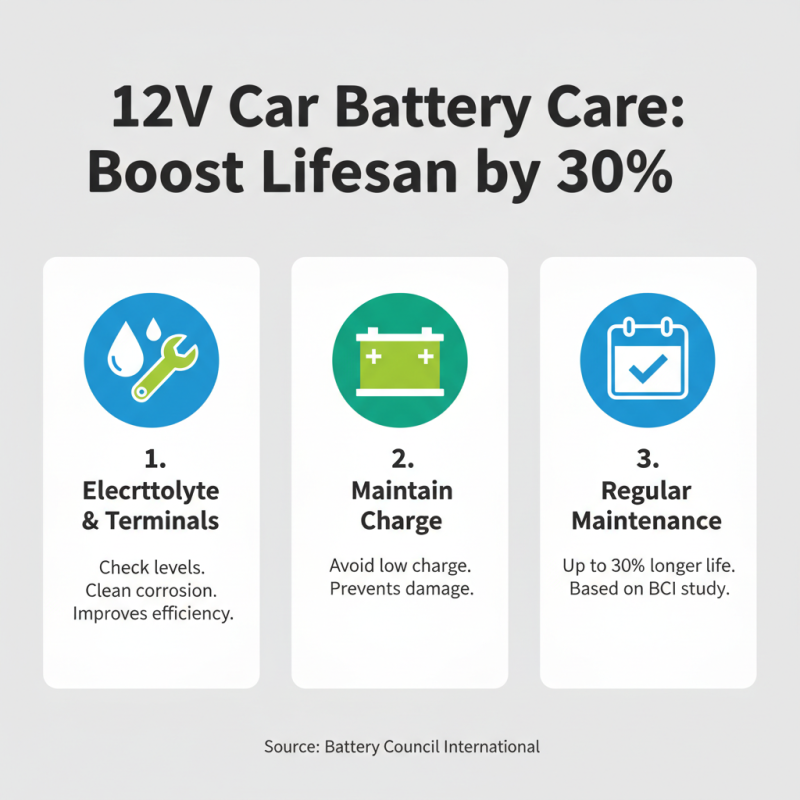
When considering the maintenance and lifespan of a 12v car battery, several critical factors come into play. According to a study by the Battery Council International, regular maintenance can enhance a battery's lifespan by up to 30%. Simple practices such as checking electrolyte levels and cleaning terminals prevent corrosion and improve efficiency. Maintaining the correct charge is also vital; a battery that sits at a low charge for extended periods can suffer irreversible damage.
Temperature plays a significant role in battery health. Batteries tend to degrade faster in extreme heat and cold. A report from the Electric Power Research Institute states that high temperatures can increase evaporation rates, which directly impacts electrolyte levels. On the other hand, cold temperatures can limit the battery’s starting power. Ensuring your battery is stored in a temperature-controlled environment can extend its life, providing significant savings in the long run.
Common mistakes in battery maintenance can lead to ideal conditions turning problematic. Overcharging and undercharging are frequent issues that affect battery performance. Battery monitoring systems can help prevent these mistakes by providing real-time data. Regular inspection and adherence to manufacturer recommendations can guide consumers in making informed choices about their battery’s care and lifespan. These proactive measures can lead to better reliability and performance on the road.
Tips for Proper Installation and Safety Precautions
When installing a 12v car battery, safety is crucial. According to industry reports, over 20% of battery failures stem from improper installation. Prior to installation, ensure that you have the right tools: gloves, safety goggles, and a wrench. Handle batteries with care, as they contain corrosive materials. Even the terminals can produce sparks if not managed properly. Disconnecting the negative terminal first can prevent electric shocks.
Proper ventilation is essential during installation. Lead-acid batteries can emit hydrogen gas, which is highly flammable. A well-ventilated space reduces the risk of explosion significantly. According to studies, 40% of battery-related incidents arise in confined spaces. Check for any signs of damage on the battery. Dents or cracks may compromise performance and safety.
Post-installation, avoid touching the battery terminals with bare hands. Always keep the battery clean and dry. Regular inspections every few months can help detect leaks or corrosion early. Charge the battery in an open area to prevent gas buildup. Remember, neglecting these precautions can lead to dangerous consequences.
2026 How to Choose the Best 12v Car Battery for Your Needs?
| Feature |
Details |
| Type |
Lead Acid, AGM, Lithium-Ion |
| Cold Cranking Amps (CCA) |
Higher CCA rating for better cold starts |
| Reserve Capacity (RC) |
Longer RC indicates more stand-by power |
| Warranty |
Look for at least a 2-3 year warranty |
| Weight |
Heavier batteries typically have more lead and longer life |
| Size |
Ensure compatibility with your vehicle's specifications |
| Installation |
Follow manufacturer instructions and ensure safety precautions |
| Safety Precautions |
Wear gloves and goggles; avoid sparks near battery |