10 Essential Tips for Supply and Fit Car Battery Services?
In the ever-evolving automotive industry, ensuring optimal vehicle performance is crucial. Among the various components, a reliable battery remains essential. Experts like John Smith, a seasoned technician in the supply and fit car battery sector, emphasize, “A good battery is the heart of your car; without it, you simply won't start.” This highlights the significance of mastering battery selection and installation.
When you consider supply and fit car battery services, there are vital aspects to keep in mind. The process involves selecting the right battery that matches your vehicle's specifications. Additionally, proper installation is equally important. Many people overlook this step, assuming it’s straightforward. However, inexperienced handling can lead to potential problems, like electrical failures.
Moreover, understanding the lifespan of your car battery is crucial. Regular checks and timely replacements can prevent sudden breakdowns. This not only saves money in the long run but also enhances safety on the road. While some might think they can DIY this process, professional services can provide peace of mind. Thus, if you find yourself in need, seeking expert advice is always a wise choice.

Understanding Different Types of Car Batteries Available on the Market
Understanding the different types of car batteries is crucial for optimal performance. Lead-acid batteries remain the most common choice, accounting for nearly 70% of the market share. They are affordable and reliable for most vehicles. However, they require regular maintenance and can have a shorter lifespan compared to more advanced options.
Lithium-ion batteries are gaining popularity, particularly in electric vehicles. They are lighter and have a longer cycle life. Studies indicate their efficiency can be up to 90%, significantly higher than traditional batteries. Despite these advantages, the initial cost can be a barrier for many consumers.
AGM (Absorbent Glass Mat) batteries are another option. They offer better resistance to vibrations and can handle deeper discharges. This makes them ideal for high-performance vehicles. Yet, their higher price point might not be justifiable for everyday drivers. Consumers should evaluate their needs carefully before making a choice. Balancing cost, performance, and lifespan is essential for the right battery selection.
10 Essential Tips for Supply and Fit Car Battery Services
| Battery Type |
Capacity (Ah) |
Voltage (V) |
Lifespan (Years) |
Maintenance |
| Lead-Acid |
40-70 Ah |
12 V |
3-5 |
Regular Checkups |
| AGM (Absorbent Glass Mat) |
50-100 Ah |
12 V |
4-7 |
No Maintenance |
| Gel Cell |
40-100 Ah |
12 V |
3-5 |
Low Maintenance |
| Lithium-Ion |
20-150 Ah |
12 V |
5-10 |
No Maintenance |
| Starting, Lighting, Ignition (SLI) |
30-90 Ah |
12 V |
4-6 |
Regular Checkups |
Signs Your Car Battery Needs Replacement: Key Indicators to Watch For
When it comes to car maintenance, paying attention to your battery is crucial. Knowing the signs that indicate your battery might need replacement can save you from unexpected breakdowns. One common sign is a sluggish engine start. If you notice your engine hesitating before it starts, it’s a red flag. You might feel frustrated, especially if you’re in a hurry.
Another key indicator is corrosion around the battery terminals. A white, ashy substance appears when the terminals begin to corrode. This is not just an aesthetic issue; it can impact the battery's performance. Ignoring it can lead to bigger issues down the road. Keep your eyes open for dashboard warning lights as well. If the battery light illuminates, it’s essential to get your vehicle checked.
Take heed of any unusual smells, too. A rotten egg odor might indicate a leaking battery. Such smells are concerning and should prompt immediate inspection. If you often find yourself jump-starting your vehicle, this is a certain sign that your battery isn’t holding a charge properly. Being attentive to these details can prevent future headaches. These signs are essential to watch for, ensuring you maintain a reliable vehicle.
Essential Tools and Equipment for Safe Battery Replacement Services
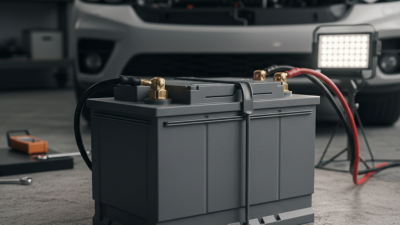
When performing car battery replacement services, having the right tools and equipment is crucial for safety and efficiency.
A multimeter is essential for testing battery voltage and ensuring it operates within a safe range. Safety goggles and gloves protect technicians from potential acid spills and electrical hazards. An adjustable wrench allows for securing battery terminals without causing damage.
Additionally, using a battery terminal puller can prevent stress on the battery when removing terminals. A battery jack helps in lifting heavier batteries safely, reducing the risk of injury. It's also wise to have a cleaning solution on hand for removing corrosion from battery terminals. Sometimes, forgetting these simple tools can lead to delayed services and minor accidents.
Each technician must reflect on their inventory regularly, ensuring all tools are functional. This practice fosters a secure working environment and enhances overall service quality.
Step-by-Step Process for Properly Fitting a New Car Battery
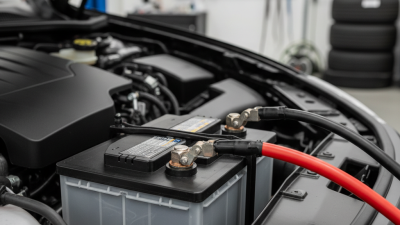
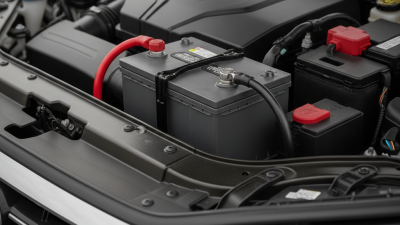
When replacing a car battery, safety is critical. Start by wearing gloves and safety goggles to protect yourself. Before you begin, ensure the vehicle is off, and the keys are removed. Locate the battery under the hood, usually on one side. Visually inspect for corrosion on terminals. If you see any, clean it off gently using a mixture of baking soda and water.
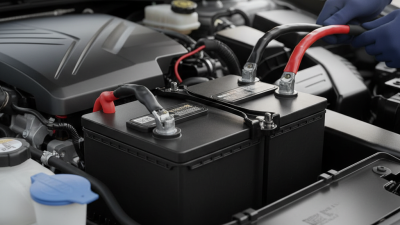
Next, disconnect the old battery carefully. Begin with the negative terminal, then the positive. This prevents any electrical sparks. Use a ratchet or wrench for this task. Take note of how the old battery is positioned. New batteries must fit in the same way. Lift the battery out, using both hands for balance.
Position the new battery in the tray, ensuring the terminals align with the cables. Connect the positive terminal first, followed by the negative. Tighten each terminal securely, but avoid over-tightening. Finally, double-check all connections. Start your car to test the installation. If the engine runs smoothly, you have successfully replaced your battery, but it’s wise to check again after a few days.
Maintenance Tips to Extend the Life of Your Car Battery After Installation
Proper maintenance is key to extending your car battery's life after installation. Regular inspections should be part of your routine. Look for signs of corrosion around the terminals. Cleaning them can prevent electrical issues. You might overlook even a small amount of corrosion, but it can lead to significant problems down the line.
Temperature extremes can affect battery performance, too. In hot conditions, batteries can lose fluid. In cold weather, starting power can drop significantly. Parking in a garage can help protect your battery from temperature fluctuations. If you notice your battery struggling to start the engine, it’s worth checking its health.
Regular usage also plays a role. Short trips may not fully charge the battery. If you often drive short distances, consider taking a longer drive occasionally. This can help keep the battery charged. Remember, neglecting these small details can lead to premature battery failure. Simple checks can save you from getting stranded.
Battery Maintenance Tips and Expected Lifespan