Choosing the right VW Amarok battery is more complicated than matching a part number. Engine size, model year, climate, and electrical equipment can change the correct specification. A diesel Amarok may need strong cold-cranking performance, especially after sitting overnight in freezing weather. A model with start-stop technology may also require AGM or EFB battery technology. Fit matters.
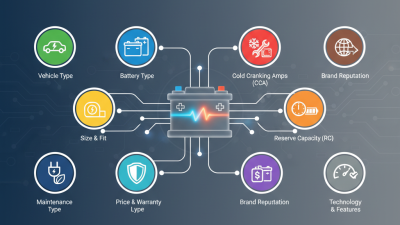
This guide reviews ten practical VW Amarok battery replacement options for different driving conditions and budgets. Each option should be judged by capacity, cold-cranking amps, dimensions, terminal layout, warranty, and charging compatibility. A battery can look suitable yet fail because its tray size or terminals do not match. Small errors matter. Technicians also recommend checking the charging system before replacement. A weak alternator can damage a new battery within months.
Real-world use deserves attention. Frequent short trips, winch operation, camping equipment, and dusty work sites can increase battery stress. In workshop inspections, voltage testing and load testing often reveal problems that visual checks miss. Still, battery advice is not perfectly universal. Some Amarok variants require battery registration or electronic management-system adaptation after installation. The vehicle handbook and a qualified technician should confirm this requirement.
Our comparison focuses on dependable choices rather than attractive claims. It considers starting power, reserve capacity, construction quality, user feedback, and manufacturer support. The most expensive battery is not automatically the best match. The right vw amarok battery should start reliably, fit securely, and tolerate your actual driving routine. That is the standard behind these ten recommendations.
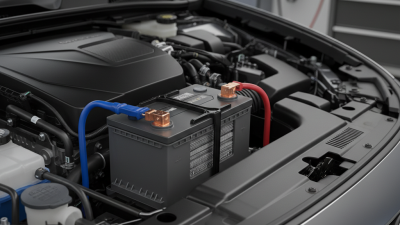
Battery choice for this pickup starts with fitment, not marketing claims. ADAC’s 2024 Pannenstatistik linked 44.1% of roadside failures to starter batteries, showing why specification checks matter. Measure the tray. Record length, width, height, terminal position, and hold-down shape before ordering. SAE J537 and IEC 60095-1 provide useful reference points for dimensions, performance, and starting-battery testing.
Most diesel versions need strong cold-cranking performance, often alongside stop-start technology. An AGM battery is generally required when the original system uses AGM; EFB is not an automatic substitute. Check the label. Match voltage, Ah capacity, CCA, reserve capacity, polarity, terminal posts, and case size. Do not choose CCA alone. Electrical load, climate, and short journeys can expose a weak match quickly. Some catalogues list several capacities, but that does not prove interchangeability.
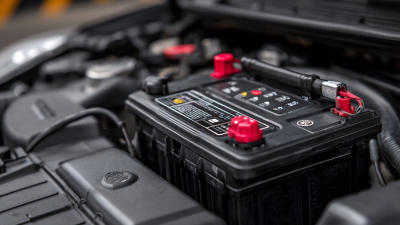
After installation, the battery-management system may need registration or adaptation through a compatible scan tool. Without it, charging strategy can remain incorrect, shortening service life. Industry service data commonly places starting-battery life near three to five years. Heat, vibration, and repeated short trips reduce it. Real-world inspection matters. I have seen apparently correct batteries fail because the retaining bracket was loose or polarity was reversed. That mistake is avoidable.
| Rank | Replacement Option | Battery Technology | Nominal Voltage | Typical Capacity | Typical Cold-Cranking Rating | Common Case Size | Approximate Dimensions | Typical Compatibility | Important Requirements |
|---|---|---|---|---|---|---|---|---|---|
| 1 | Heavy-duty start-stop replacement | AGM | 12 V | 95 Ah | 850–950 A | DIN L5 / H8 | 353 × 175 × 190 mm | Large diesel engines, high electrical loads, and vehicles equipped with start-stop systems | Use when the original battery is AGM and the tray, hold-down, and terminal layout match. |
| 2 | High-capacity start-stop replacement | AGM | 12 V | 80 Ah | 760–800 A | DIN L4 / H7 | 315 × 175 × 190 mm | Diesel models with moderate-to-high electrical demand and start-stop functionality | Match the original Ah rating closely; battery monitoring or energy-management registration may be required. |
| 3 | Standard high-output replacement | Flooded lead-acid | 12 V | 95 Ah | 800–900 A | DIN L5 / H8 | 353 × 175 × 190 mm | Older diesel configurations without start-stop and with a large battery tray | Not suitable as a direct substitute for an original AGM battery unless the vehicle specification permits it. |
| 4 | Mid-size start-stop replacement | EFB | 12 V | 70–75 Ah | 650–730 A | DIN L3 / H6 | 278 × 175 × 190 mm | Lower-demand diesel configurations with factory-fitted EFB technology | Replace EFB with EFB or an approved AGM upgrade; confirm charging-system compatibility first. |
| 5 | Compact conventional replacement | Flooded lead-acid | 12 V | 70–75 Ah | 650–750 A | DIN L3 / H6 | 278 × 175 × 190 mm | Entry-level or older configurations without start-stop and with a compact battery tray | Verify positive-terminal position, base-rail type, vent connection, and minimum cold-cranking rating. |
| 6 | Long-case conventional replacement | Flooded lead-acid | 12 V | 80–90 Ah | 720–800 A | DIN L4 / H7 | 315 × 175 × 190 mm | Many first-generation diesel applications using a longer battery case | A suitable option only when the original battery has the same case length and mounting arrangement. |
| 7 | High-reserve AGM replacement | AGM | 12 V | 70–80 Ah | 720–800 A | DIN L3 / H6 or L4 / H7 | 278 or 315 × 175 × 190 mm | Vehicles with auxiliary equipment, frequent short trips, or elevated electrical consumption | Select the exact case length and capacity shown on the original battery label or vehicle data record. |
| 8 | Cold-climate diesel replacement | AGM or flooded lead-acid, according to original specification | 12 V | 90–110 Ah | 800–950 A | DIN L5 / H8 | 353 × 175 × 190 mm | Large diesel engines operated in cold climates or under heavy starting loads | Prioritize cold-cranking performance, reserve capacity, and correct charging compatibility over maximum Ah alone. |
| 9 | Deep-cycle auxiliary-load replacement | AGM | 12 V | 80–95 Ah | 760–950 A | DIN L4 / H7 or L5 / H8 | 315 or 353 × 175 × 190 mm | Vehicles fitted with additional lighting, communications equipment, refrigeration, or other accessories | Confirm that the vehicle charging strategy and battery-management system support the selected technology. |
| 10 | Economy replacement for low-demand use | Flooded lead-acid | 12 V | 68–74 Ah | 640–720 A | DIN L3 / H6 | 278 × 175 × 190 mm | Older, non-start-stop configurations with moderate electrical equipment | Do not downsize from the factory capacity when the vehicle has a high-output diesel engine or extensive accessories. |