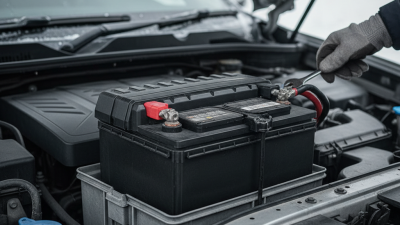
What Is the Longest Lasting Car Battery?
Choosing the longest lasting car battery is not as simple as picking the highest price tag. Battery life depends on chemistry, climate, vehicle design, driving distance, and maintenance. A premium AGM battery may perform well in a modern car with start-stop technology. However, it may be unnecessary for an older vehicle with modest electrical demands.
John Nielsen, an automotive engineering expert associated with AAA, has said, “A battery can fail without warning, especially when temperature and driving habits work against it.” That warning matters. A battery may start the engine normally at 7:00 a.m., then struggle beside a supermarket at noon. Short trips, extreme heat, winter freezing, loose terminals, and repeated accessory use can quietly shorten its service life.
This guide examines what makes a battery last longer. It compares AGM, flooded lead-acid, and lithium options. It also considers reserve capacity, cold-cranking amps, warranty coverage, and real-world maintenance. The strongest battery on paper is not always the longest lasting car battery for your vehicle.
There is an uncomfortable detail. Many drivers replace batteries only after failure. That habit makes careful comparison difficult. Manufacturer claims also reflect controlled testing, not every dusty driveway or congested commute. A reliable choice should fit the vehicle, match its electrical load, and suit the local climate. Even then, no battery lasts forever. The goal is not a perfect promise. It is a better-informed decision.
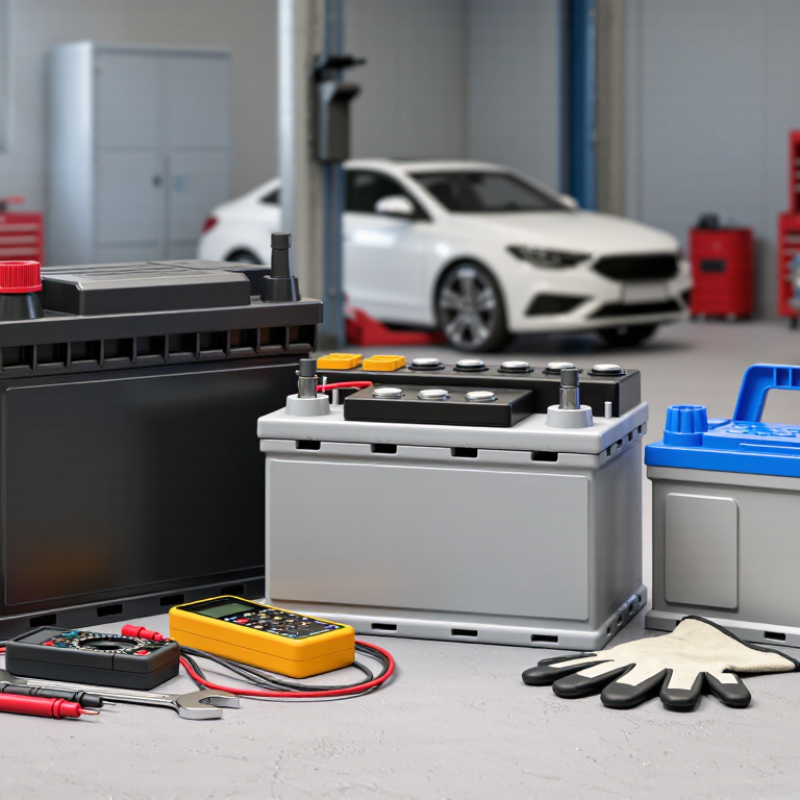
Battery Lifespan: What Determines How Long a Car Battery Lasts?
A car battery’s lifespan is rarely determined by its advertised capacity alone.
The American Automobile Association reports that most automotive batteries last about three to five years. That range is useful, but imperfect. Climate, driving habits, charging performance, and vehicle design can change it dramatically.
Heat is often the quiet battery killer.
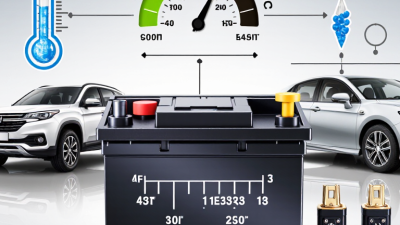
AAA’s technical guidance states that temperatures around 95°F can accelerate internal wear, while freezing conditions reduce available power. At 32°F, a battery may lose roughly one-third of its starting strength. At 0°F, the loss can approach 60%. A weak battery may seem healthy in summer, then fail beside a cold driveway.
Short trips create another problem.
A ten-minute commute may not replace the energy used during starting. Repeated cycles slowly lower the battery’s charge. Corroded terminals, loose connections, and hidden electrical drains add further stress. Professional technicians commonly test resting voltage, starting performance, and charging output together. A reading near 12.6 volts after several hours of rest usually indicates a full conventional lead-acid battery, but vehicle specifications vary. Modern charging systems make simple voltage checks less decisive. That is easy to overlook.
The longest-lasting battery is usually the one matched correctly to the vehicle and maintained under moderate conditions.
Keeping terminals clean helps. So does driving long enough for the charging system to recover energy. Consumer Reports also advises replacing batteries before failure when testing shows declining capacity, especially after the three-year mark. Waiting for one dramatic click can be an expensive experiment.
Battery Types Compared: Lead-Acid, AGM, and Lithium-Ion Options
What Is the Longest Lasting Car Battery?
Battery Types Compared: Lead-Acid, AGM, and Lithium-Ion Options
Battery life depends on chemistry, climate, driving habits, and charging quality. A conventional lead-acid battery often lasts three to five years. It remains affordable and widely compatible, but repeated deep discharges can damage its plates. Hot engine bays shorten its service life. Cold weather exposes weak batteries quickly.
AGM batteries usually last four to seven years when properly maintained. Their sealed design resists vibration and handles frequent starting cycles better than standard lead-acid units. They suit vehicles with high electrical demand, but the vehicle’s charging system must support AGM technology. Lithium-ion batteries can last eight years or longer in suitable applications. They are lighter and tolerate many cycles, yet they cost more and require compatible battery management equipment. They are not automatically the best replacement for every car.
Tips: Check the battery case for swelling, corrosion, or leakage during routine servicing. Keep terminals clean and tight. Test resting voltage before winter, not after the engine refuses to start. Avoid leaving lights or accessories active for long periods. A battery with a longer warranty may still fail early in extreme heat, heavy traffic, or short-trip driving. That makes the “longest lasting” answer less tidy than expected. For most daily drivers, a correctly matched AGM battery may offer the strongest balance. Lithium-ion can win on lifespan, but only when the vehicle and charging system are designed for it.
Longest-Lasting Car Batteries for Different Driving Conditions
What Is the Longest Lasting Car Battery?
Longest-Lasting Car Batteries for Different Driving Conditions
The longest-lasting car battery depends on how, where, and how often you drive. In hot climates, high temperatures speed up fluid loss and internal corrosion. A battery with strong heat resistance may last longer there. Cold regions demand reliable starting power because thick engine oil increases electrical load. For frequent winter driving, choose a battery rated for dependable cold starts. Stop-and-go traffic creates repeated engine starts. A durable, cycle-resistant battery suits this pattern better. Short trips can be harder on batteries than long journeys because the alternator has less time to replace used energy.
Tips: Check the battery terminals every few months. Clean, tight connections reduce starting problems. Test voltage before extreme seasons. Watch for slow cranking, dim lights, or a swollen case. Replace a damaged battery promptly. Follow the vehicle manual’s size and power requirements. A larger battery is not automatically better.
For highway drivers, a standard maintenance-free battery may provide several dependable years when properly charged. Vehicles with heavy electrical accessories may need a higher-capacity design. I once saw a battery fail early because loose mounting caused constant vibration. That detail is easy to overlook. Lifespan also varies with parking habits, charging-system health, and storage time. Manufacturers often suggest three to five years, but real conditions can shorten that range. No battery lasts forever.
What Is the Longest-Lasting Car Battery?
Typical battery service life by driving condition
Regular highway driving generally supports the longest battery life because the alternator has more time to recharge the battery. Extreme heat, extreme cold, and frequent short trips can reduce service life. These figures are typical estimates for conventional 12-volt automotive batteries and can vary with vehicle design, climate, maintenance, and electrical load.
How to Choose a Battery for Maximum Service Life
What Is the Longest Lasting Car Battery?
How to Choose a Battery for Maximum Service Life
The longest-lasting car battery depends on the vehicle, climate, and charging system. A larger battery is not automatically a better choice. Match the battery size, terminal layout, and starting rating to the vehicle manufacturer’s specifications. An incorrect fit can cause vibration, poor connections, and early failure.
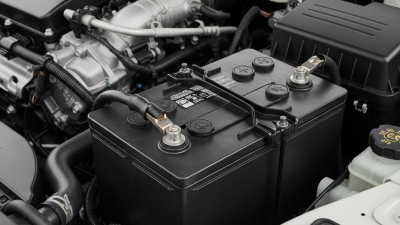
Heat is especially damaging. A battery exposed to engine heat may lose capacity faster than one installed in a cooler location. Vibration also matters, so check that the hold-down bracket stays tight. For many modern vehicles, an absorbed glass mat battery can handle frequent cycling and heavy electrical demand. A conventional flooded battery may last well in simpler vehicles when its fluid level and connections receive proper care.
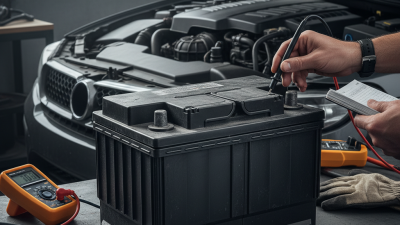
Check the charging voltage with a digital meter. A healthy system commonly measures about 13.7 to 14.7 volts while the engine runs, though vehicle requirements differ. Test the battery under load before winter and after slow starting. Clean, tight terminals help. Simple work matters.
I used to focus too much on advertised cold-cranking power. That was incomplete. Reserve capacity, driving habits, and short-trip frequency often influence service life more. A battery used for repeated five-minute trips may wear out early, even when its specifications look impressive. Choosing maximum service life requires matching construction, climate protection, maintenance needs, and real driving conditions.
What Is the Longest Lasting Car Battery? - How to Choose a Battery for Maximum Service Life
| Battery Type |
Typical Service Life |
Deep-Cycle Resistance |
Vibration Resistance |
Maintenance Needs |
Best Application |
Important Limitations |
| Flooded Lead-Acid |
Approximately 3–5 years |
Low to moderate |
Moderate |
Low on sealed designs; electrolyte inspection may be required on serviceable designs |
Standard vehicles with moderate electrical demands |
More sensitive to repeated deep discharges, heat, and low electrolyte levels |
| Enhanced Flooded Battery (EFB) |
Approximately 3–6 years |
Moderate |
Moderate to high |
Generally maintenance-free |
Vehicles with basic or moderate start-stop operation |
Should not automatically replace an AGM battery when the vehicle requires AGM technology |
| Absorbent Glass Mat (AGM) |
Approximately 4–7 years |
High |
High |
Maintenance-free under normal use |
Vehicles with frequent start-stop cycles, high electrical loads, or strong vibration |
Costs more and may require vehicle battery-management-system registration after replacement |
| Lithium Iron Phosphate (LiFePO4) Starter Battery |
Potentially 5–10+ years when correctly specified and managed |
Very high |
High, depending on enclosure and battery-management system |
Maintenance-free, but electronic protection is essential |
Specialized applications where the vehicle and charging system are explicitly compatible |
Not a universal replacement; charging compatibility, cold-weather performance, safety controls, and fit must be verified |
Factors That Have the Greatest Effect on Battery Life
| Factor |
Effect on Service Life |
Practical Recommendation |
Priority |
| High under-hood temperature |
Accelerates corrosion, water loss, and plate degradation |
Use the correct heat shield or factory battery location and keep the engine compartment properly maintained |
Very High |
| Repeated deep discharge |
Causes sulfation in lead-acid batteries and reduces available capacity |
Avoid leaving lights or accessories on and recharge a discharged battery promptly |
Very High |
| Incorrect charging voltage |
Undercharging promotes sulfation; overcharging increases heat and corrosion |
Test the charging system and use a charger suited to the battery chemistry |
Very High |
| Vehicle usage pattern |
Short trips may not restore the energy used during starting |
Periodically drive long enough to recharge the battery or use an appropriate maintenance charger |
High |
| Correct battery specification |
Incorrect size, capacity, or technology can cause poor performance and premature failure |
Match the replacement battery to the vehicle’s required group size, capacity, starting current, and battery type |
Very High |
| Terminal and cable condition |
Loose or corroded connections increase resistance and can cause starting and charging problems |
Keep terminals clean, tight, and protected; inspect ground connections |
High |
In most conventional vehicles, a correctly specified AGM battery generally offers the best combination of long service life, vibration resistance, and deep-discharge tolerance. Actual life varies with climate, driving habits, charging-system condition, and maintenance.
Maintenance and Usage Habits That Extend Battery Life
Battery longevity depends less on a promising specification and more on daily treatment. A strong battery can still fail early after repeated short trips, deep discharges, or extreme heat. Start the engine only after unnecessary lights and accessories are switched off. When short journeys dominate, use a suitable external charger according to the vehicle manual. An occasional longer drive may help, but it cannot repair a damaged battery.
Check the resting voltage after the vehicle sits for several hours. A conventional 12-volt lead-acid battery often shows about
12.6 to 12.8 volts
when fully charged. Temperature and battery design can change that reading. Keep the terminals clean, dry, and firmly connected. Small habits matter.
I used to treat a normal voltage reading as proof of good health. That was too simplistic.
A load or conductance test can reveal weakness that voltage alone misses.
Heat accelerates internal wear, so keep the battery securely mounted and inspect its case for swelling or cracks. Do not leave lights, chargers, or entertainment systems running while the engine is off. If the battery repeatedly loses charge overnight, investigate parasitic electrical drain before replacing it. Some vehicles also require a specific battery type or charging-system reset after replacement. Record the date, voltage, starting symptoms, and weather. This simple log can expose gradual decline, although even careful owners sometimes miss an intermittent fault.