What Is the Top Stop Start Battery for Global Buyers?
Choosing the top stop start battery for global buyers is not simply a matter of selecting the highest advertised capacity. Real performance depends on vehicle design, climate, traffic patterns, and charging-system condition. A battery that performs well in a cool European city may struggle under intense heat, heavy congestion, or long parking periods elsewhere.
Experienced buyers usually compare absorbed glass mat and enhanced flooded battery technologies, then check compatibility with the vehicle’s battery management system. Important details include cold-cranking performance, cycle life, reserve capacity, vibration resistance, and charging acceptance. Independent test results, traceable manufacturing information, and clear warranty terms provide stronger evidence than attractive product claims. A reliable supplier should also explain installation requirements, storage conditions, recycling arrangements, and regional after-sales support.
Small details matter.
For example, a delivery vehicle stopping dozens of times daily needs stronger cycling endurance than a privately used car. In colder regions, starting power becomes critical; in tropical markets, heat resistance and correct storage deserve equal attention. No single model is perfect for every market. That is an inconvenient truth. Buyers may also overvalue laboratory figures while ignoring poor installation or an aging alternator. This guide examines the practical evidence behind leading options, including field experience, technical specifications, certification quality, and long-term operating costs. The aim is not to promote one universal winner, but to identify which stop start battery offers the most dependable fit for each buyer’s vehicle, climate, usage pattern, and service network.
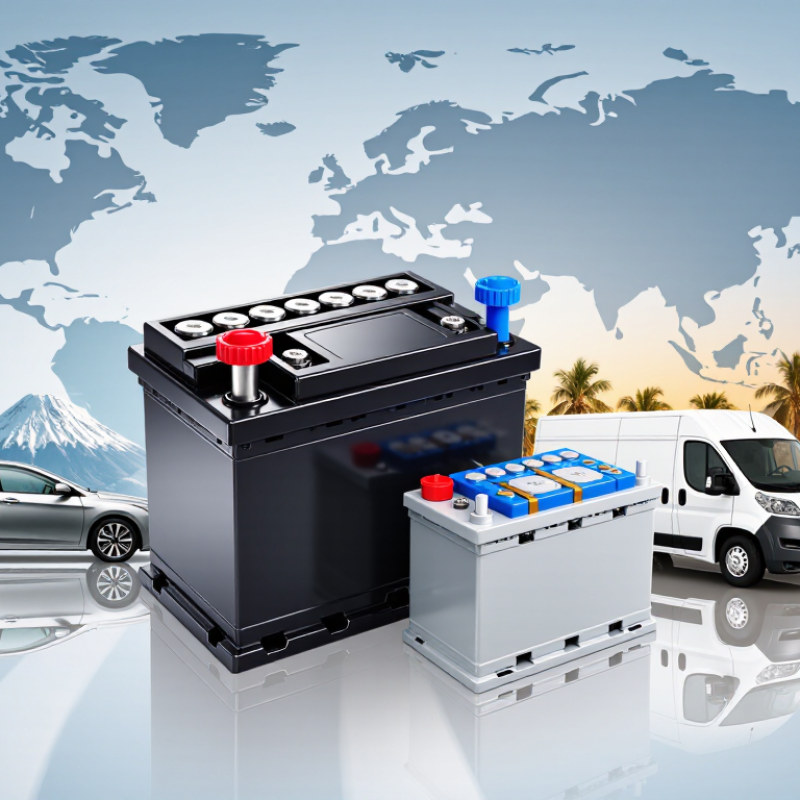
Stop-Start Batteries: Definition, Purpose, and Operating Principles
What Is the Top Stop Start Battery for Global Buyers?
A stop-start battery supports frequent engine shutdowns and rapid restarts in urban traffic. Unlike a conventional starting battery, it must accept repeated charge pulses while powering lights, ventilation, sensors, and safety systems. The U.S. Department of Energy and Argonne National Laboratory estimate that an idling passenger vehicle can consume about 0.16 gallons of fuel per hour. Stop-start technology reduces some of this waste, although savings vary with traffic, temperature, and driving habits.
Its operating principle is simple but demanding. When the vehicle stops, the control system checks battery charge, cabin temperature, and engine conditions. It then switches off the engine. Pressing the accelerator or releasing the brake triggers a restart. Enhanced flooded batteries suit moderate cycling, while absorbent glass mat batteries generally provide stronger cycle resistance and higher electrical stability. The European Automobile Manufacturers’ Association reports that stop-start systems are widely used in new European passenger cars, making battery durability increasingly important for global buyers.
The best choice is not universal. Real roads are messier. A battery may perform well in laboratory testing but weaken quickly under extreme heat, short trips, or poor charging control. Buyers should compare cycle-life data, cold-cranking performance, reserve capacity, warranty terms, and vehicle compatibility. Battery Council International emphasizes correct recycling and controlled material handling across the lead-battery supply chain. That matters. A low purchase price can become expensive when the battery, registration system, and installation requirements are overlooked.
What Is the Top Stop-Start Battery for Global Buyers?
Stop-start batteries are designed to support frequent engine restarts, rapid recharge cycles, and vehicle electrical loads while the engine is switched off. The chart compares representative midpoints for common 12-volt battery technologies used in passenger vehicles.
EFB batteries generally suit vehicles with moderate stop-start demands, while AGM batteries provide higher charge acceptance and stronger cycling performance for vehicles with advanced stop-start systems, regenerative braking, or heavier electrical loads. Actual specifications vary by vehicle class, battery size, climate, and charging system.
Regional Standards, Climate Factors, and Vehicle Compatibility
The top stop-start battery is not universal. It must match the vehicle’s electrical design, climate, and regional requirements. In workshop inspections, technicians often compare AGM and EFB before checking price. AGM generally suits heavy electrical loads and frequent engine restarts. EFB can fit simpler systems and provide practical value. Replacing AGM with EFB, however, may shorten cycle life.
Climate changes the choice.
In cold regions, cold-cranking performance matters after overnight parking. In hot markets, heat resistance and water-loss control deserve closer attention. A battery can pass laboratory tests yet struggle beside a hot engine. One recurring mistake is focusing on capacity while ignoring terminal position. That oversight can cause installation problems.
Regional certification requirements also matter. Verify case size, polarity, venting, safety markings, and warranty documents. Compatibility may include battery registration or energy-management calibration. Without that step, charging behavior can remain incorrect. Check the owner’s manual and vehicle data, not only the old label. Some catalog information is incomplete, so careful verification remains necessary.
Selecting the Best Stop-Start Battery for Global Purchasing Needs
What Is the Top Stop Start Battery for Global Buyers?
Selecting the Best Stop-Start Battery for Global Purchasing Needs
Global buyers should evaluate battery performance, vehicle compatibility, and supply reliability together. A low purchase price can become expensive when warranty claims increase.
The International Energy Agency reported over 17 million electric-car sales worldwide in 2023. However, many vehicles still use combustion engines, hybrids, and stop-start systems. The ACEA report Vehicles on European Roads 2024 recorded an average EU passenger-car age of about 12.5 years. This supports continued demand for replacement batteries across established markets.
For frequent engine cycling, buyers should compare enhanced flooded batteries with absorbed glass mat designs. AGM technology generally suits higher electrical loads and repeated restarts. EFB may fit vehicles with moderate stop-start use and tighter budgets. Check the vehicle’s original specification, battery dimensions, cold-cranking rating, reserve capacity, and charging requirements. Climate matters. A battery facing frozen mornings needs strong cold-start performance, while hot regions demand durable heat resistance.
Do not trust one laboratory number.
Request test results based on recognized standards, such as EN 50342 or equivalent national requirements. Ask suppliers for production dates, traceability records, transport certifications, and field-failure data. Warranty length alone proves little. Some published market forecasts appear optimistic, and actual demand can vary by region, fleet age, and import rules. Buyers should verify every assumption with local service data before placing large orders.
What Is the Top Stop Start Battery for Global Buyers? - Selecting the Best Stop-Start Battery for Global Purchasing Needs
| Battery Technology |
Typical Nominal Voltage |
Common Capacity Range |
Typical Cold-Cranking Range |
Stop-Start Suitability |
Cycle-Life Position |
Best Purchasing Use Case |
Key Buying Checks |
| Enhanced Flooded Battery (EFB) |
12 V |
Approximately 45–100 Ah |
Approximately 400–1,000 A |
Good for entry-level or moderate stop-start systems |
Higher than a conventional flooded starter battery |
Passenger cars with basic stop-start functions and moderate electrical loads |
Vehicle compatibility, battery-case size, terminal layout, reserve capacity, and charging-system requirements |
| Absorbent Glass Mat (AGM) |
12 V |
Approximately 50–120 Ah |
Approximately 500–1,200 A |
Very good for frequent stop-start operation and high electrical demand |
Generally higher than EFB under demanding cycling conditions |
Vehicles with advanced stop-start systems, regenerative braking, or many electrical accessories |
Correct AGM replacement requirement, charging voltage, battery-management-system registration, and vibration resistance |
| Conventional Flooded Lead-Acid |
12 V |
Approximately 35–100 Ah |
Approximately 300–900 A |
Usually unsuitable for factory-equipped stop-start systems |
Lowest among the listed lead-acid technologies for repeated cycling |
Vehicles without stop-start functionality or for standard starting applications |
Do not substitute for EFB or AGM unless the vehicle manufacturer explicitly permits it |
| 12 V Lithium Iron Phosphate (LiFePO₄) |
12.8 V nominal |
Approximately 20–100 Ah equivalent starting-battery applications |
Manufacturer-specific; compare verified starting-current ratings |
Potentially strong cycling performance, but not a universal replacement |
Typically much higher cycle potential when correctly managed |
Specialized fleets, motorsport, recreational vehicles, and approved low-weight applications |
Battery-management system, low-temperature charging protection, alternator compatibility, safety certification, and vehicle approval |
Global purchasing guidance:
For most original-equipment stop-start passenger vehicles, the correct technology is determined by the vehicle manufacturer’s specification. EFB is commonly selected for moderate cycling requirements, while AGM is generally preferred for advanced stop-start systems, high accessory loads, and regenerative-braking applications. Capacity, cold-cranking performance, dimensions, terminal arrangement, polarity, certification requirements, climate, shipping regulations, and battery-management-system compatibility should be verified before placing an international order.
Figures are representative market ranges rather than guaranteed specifications. Actual performance varies by battery design, test standard, temperature, vehicle application, and manufacturer specification.