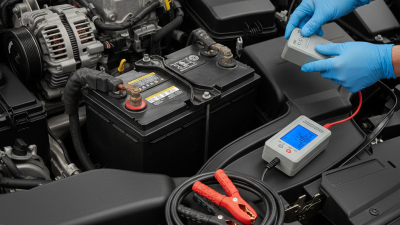
10 Tips for Choosing a 12V Car Battery?

Choosing a 12v car battery is not just a matter of picking the cheapest unit on the shelf. The right battery must match your vehicle’s required size, terminal layout, and electrical needs. Check the owner’s manual or the label on your current battery before comparing options. Cold-cranking amps (CCA) describe starting power in cold conditions, while reserve capacity indicates how long a battery can supply power under a specified load. Fit comes first. A higher rating is not automatically a better choice if it does not meet the vehicle maker’s specifications.

The ten tips below cover battery type, ratings, climate, age, warranty, and installation. They can help you compare options without treating one number as the whole story. Vehicles with start-stop systems, for example, may require an EFB or AGM battery; using the wrong type can affect performance. Frequent short trips and extreme temperatures can also influence battery life. A quick price comparison can miss the battery’s age, an easy detail to overlook. Not always obvious. If your vehicle’s requirements are unclear, check its manual or ask a qualified technician to test the charging system before buying. These practical checks make the choice more reliable, though no battery lasts forever. The best match depends on your car and how you drive.
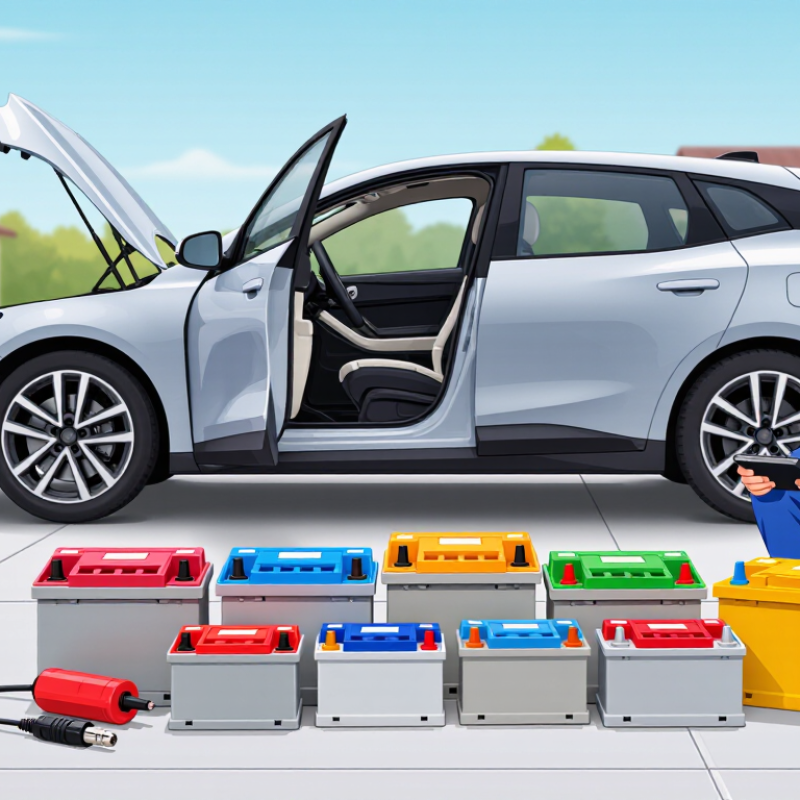
10 Tips for Choosing a 12V Car Battery?

Identify Your Vehicle’s Battery Specifications

Before buying a 12V battery, check the owner’s manual and the label on the battery already installed. Record its chemistry, group size, required capacity, and terminal arrangement. Battery Council International group-size codes describe a battery’s physical dimensions and terminal locations, not its performance. Fit matters. A battery that is too tall may touch the hood; reversed terminals can leave cables unable to reach safely. Confirm whether your vehicle requires a flooded, AGM, or other battery type, especially if it has start-stop technology.

Then compare cold-cranking amps (CCA) and reserve capacity (RC) with the vehicle maker’s requirements. SAE International’s J537 standard defines a CCA test at 0°F (-18°C): the battery supplies its rated current for 30 seconds while maintaining at least 7.2 volts. RC is commonly measured by how many minutes a fully charged battery can deliver 25 amps at 80°F (27°C) before reaching 10.5 volts, according to Battery Council International testing conventions. Higher numbers are not automatically better if the battery does not fit or match the charging system. I still double-check the manual; battery labels can be confusing.


10 Tips for Choosing a 12V Car Battery: Identify Your Vehicle’s Battery Specifications

Battery group sizes differ in physical dimensions. Compare your vehicle’s required group size with these approximate case measurements, then verify terminal layout, polarity, and the required cold-cranking amps (CCA) in your owner’s manual. Always confirm fitment before purchase.

Compare Battery Types and Operating Technologies

A 12V battery is not defined by voltage alone. Its internal design affects charging, vibration tolerance, and performance during repeated engine starts. Conventional flooded lead-acid batteries use liquid electrolyte and vents; they suit many standard vehicles but need the correct fit and maintenance. Enhanced flooded batteries (EFB) use improved plates and are commonly designed for basic stop-start systems. Absorbent glass mat (AGM) batteries hold electrolyte in a glass-fiber mat, helping them handle frequent cycling and higher electrical loads. That does not make AGM automatically better for every car.

Check the vehicle manual before changing chemistry. The charging system and battery-monitoring settings may be calibrated for a specific type. SAE J537 provides standardized tests for matters such as cold-cranking performance and reserve capacity, so compare those ratings rather than relying on labels alone. Cold-cranking amps matter on frosty mornings; reserve capacity matters when accessories draw power with the engine off. Lithium iron phosphate 12V batteries are much lighter, but they are not universal drop-in replacements: charging compatibility and low-temperature behavior need careful checking. A small detail, but an easy one to miss. Battery Council International’s 2019 National Recycling Rate Study reported that about 99 percent of lead batteries in the United States were recycled, a useful end-of-life consideration when comparing chemistries.

10 Tips for Choosing a 12V Car Battery? - Compare Battery Types and Operating Technologies

Tip What to Check Practical Guidance Battery Type or Technology
1. Confirm vehicle fit Battery group size, case dimensions, terminal layout, and hold-down style Use the vehicle manual or fitment label, then verify that the replacement clears nearby parts and can be securely clamped. Applies to flooded lead-acid, EFB, AGM, and 12V lithium batteries; physical fit is not the only compatibility requirement.
2. Match the required voltage Nominal system voltage and vehicle specifications Most passenger cars use a 12V battery. Do not substitute a different-voltage battery unless the vehicle manufacturer specifies it. Lead-acid and lithium starter batteries are both sold as 12V nominal systems, but their charging characteristics differ.
3. Compare CCA correctly Cold-cranking amps (CCA) and the test standard shown on the label Meet or exceed the vehicle’s specified CCA. Compare ratings measured to the same standard, since test methods can differ. CCA describes cold-starting performance; it is not the same as amp-hour capacity or reserve capacity.
4. Consider the climate Typical starting temperatures and cold-weather demands In cold climates, prioritize the specified CCA and keep the battery properly charged. Heat also accelerates battery aging, so check the warranty and maintenance guidance. Cold reduces a battery’s available starting power. No battery chemistry is immune to temperature-related performance changes.
5. Choose the right lead-acid design Flooded lead-acid, enhanced flooded battery (EFB), or absorbed glass mat (AGM) Use the technology specified for the vehicle, especially on start-stop models. EFB and AGM are designed for greater cycling demands than conventional flooded designs. AGM holds electrolyte in a glass-fiber mat; EFB is an enhanced flooded design. They are not automatically interchangeable in every vehicle.
6. Check start-stop compatibility Frequent engine restarts, regenerative charging, and accessory loads If the vehicle came with EFB or AGM, follow the manufacturer’s replacement requirements. A conventional flooded battery may not withstand the same duty cycle. Start-stop systems place more cycling demands on the battery. Some vehicles also require battery registration or energy-management reset after replacement.
7. Review capacity and reserve Amp-hour (Ah) rating and reserve capacity (RC), where specified Stay within the vehicle maker’s approved range. Higher capacity is not a substitute for correct fit, charging compatibility, or the specified starting rating. Ah indicates charge capacity under stated test conditions; RC estimates how long a fully charged battery can support a defined load.
8. Check charging-system compatibility Alternator, battery-management system, and recommended charging profile Do not assume a lithium replacement can be charged correctly by a lead-acid system. Use a chemistry-compatible battery and charger approved for the vehicle. 12V lithium iron phosphate (LiFePO4) starter batteries have different charging and low-temperature requirements from lead-acid batteries.
9. Verify terminals and installation Positive and negative terminal positions, terminal type, venting, and secure mounting Match the terminal orientation and follow the vehicle’s installation instructions. Where venting is required, connect the specified vent tube and keep connections clean and tight. Correct polarity and secure mounting are essential for all battery types; incorrect connection can cause equipment damage or injury.
10. Compare service life and care Warranty terms, manufacturing date, maintenance needs, and storage conditions Check the battery’s date and warranty details. Keep terminals clean, avoid prolonged discharge, and have the charging system tested if the battery repeatedly loses charge. Service life varies with climate, driving pattern, charging, and maintenance; no single lifespan applies to every vehicle or battery.

Note: Vehicle specifications take priority over general guidance. Confirm the required battery type, size, ratings, and any battery-management reset procedure in the owner’s manual or service information.

Check Battery Group Size, Dimensions, and Terminal Layout

A 12-volt rating does not guarantee a physical fit. The Battery Council International’s Battery Replacement Data Book organizes batteries by group size, including case dimensions and terminal configuration. For example, a Group 35 case is approximately 9.1 inches long and 6.9 inches wide; verify the specified height and terminal style too.

Small detail. Big trouble.

A few millimeters can prevent the hold-down from securing the battery or leave its terminals dangerously close to metal parts.

Compare the group number on the existing battery with the vehicle manual, then measure the tray’s length, width, and available height. Include the space needed for cables and the retaining bracket. Terminal layout matters just as much: check whether the positive post sits on the correct side when viewed from the same orientation shown in the manual.

Cable reach is not a safe workaround. A stretched lead may pull loose or rub against a sharp edge. SAE J537 describes standardized battery performance tests, but a performance rating does not confirm vehicle fit. It is tempting to trust a matching group number alone; that check can miss terminal differences or model-year changes.

Recheck the tray before buying.

Evaluate Capacity, Cold-Cranking Amps, and Climate Suitability

A 12V car battery should match the vehicle’s requirements, not just fit beneath the hood. Check the owner’s manual for the recommended capacity, usually listed in amp-hours (Ah), and the correct physical size. A battery with too little capacity may struggle with repeated starts and electrical demands. Bigger is not automatically better; terminals, hold-downs, and charging-system compatibility matter too.

Tips: Compare the battery’s cold-cranking amps (CCA) with the vehicle’s minimum specification. CCA indicates starting power in cold conditions, when engine oil thickens and batteries deliver less current. In freezing areas, choosing adequate CCA provides a useful margin. In mild climates, meeting the specified rating is generally more sensible than paying for excess capacity. Check the label carefully. Ratings can differ between testing standards.

Climate affects battery life as well as starting. Cold weather exposes weak starting performance, while prolonged heat can speed internal wear. If summers are hot, park in shade when practical and have the charging system checked during routine service. If winters are harsh, ask a qualified technician to test the battery before temperatures fall. One detail is easy to miss: a battery may seem fine on a warm afternoon, then crank slowly on a cold morning. Don’t rely on age or appearance alone; test results offer better evidence.

Compare Battery Age, Warranty, Price, and Installation Needs

Check the manufacture date, not just the shelf price. AAA guidance puts typical car-battery life at roughly three to five years, though heat, driving patterns, and storage can shorten it. AAA’s 2017 cold-weather testing reported that at 0°F, a battery may provide only about 60% of its starting power. A fresh battery matters more when winter mornings are routine.

Tip: Compare warranty terms line by line. Separate the free-replacement period from any prorated coverage, and check whether testing or labor is excluded. Compare the installed price, too: a low shelf price can grow with fitting fees or disposal charges. Small print matters. A longer warranty is not automatically better if claiming it is inconvenient.

Before buying, match the vehicle manual’s battery size, terminal layout, and minimum cold-cranking amps. Ask whether installation requires a battery-management reset, especially in vehicles with start-stop systems. Confirm that the installer will secure the battery and check charging voltage. If you install it yourself, note any settings that may reset. I would still verify the fit twice; date codes and terminal positions are easy to misread.