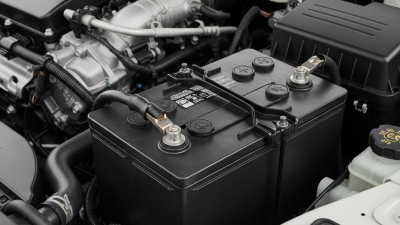
Why Do Some Car Batteries Last Longer Than Others?
A car battery may look like a simple box under the hood, but its lifespan depends on several connected factors. Battery design matters, yet daily use often matters just as much. Short trips can leave less time for the alternator to restore the energy used during starting. Heat can speed up internal wear, while deep cold makes a weakened battery struggle to deliver power. Even a vehicle parked in a garage may slowly drain its battery through alarms, computers, and other electronics.
No battery lasts forever.
The phrase “longest lasting car battery” can be misleading if it suggests one product will suit every driver. A battery’s chemistry, size, reserve capacity, climate rating, and compatibility with the vehicle all affect its performance. So do habits such as leaving lights on, driving only a few miles, or ignoring corrosion around the terminals. A clean connection helps, but it cannot fix an aging battery or a faulty charging system. That distinction is easy to miss.
This guide explains why some car batteries last longer than others and what drivers can check before buying a replacement. It considers climate, driving patterns, maintenance, battery type, and charging health. Recommendations should always match the vehicle manufacturer’s specifications; a larger or more expensive battery is not automatically better. A battery test can offer useful evidence, though test results and real-world life are not identical. The answer is not perfectly neat. With a few practical checks, however, drivers can make a more informed choice and reduce avoidable wear.
How a Car Battery Stores and Supplies Electrical Power
Why Do Some Car Batteries Last Longer Than Others?
A car battery stores electricity through a reversible chemical reaction. In a typical 12-volt lead-acid battery, six cells produce about 2.1 volts each. Lead plates hold the active material, while an electrolyte carries charged particles between them. When you turn the key, chemical energy becomes electrical current. The starter may demand 200 to 600 amperes for a few seconds. That is a violent little event inside a quiet plastic case.
SAE J537 measures cold-cranking performance at -18°C for 30 seconds. The battery must maintain at least 7.2 volts during this test. Cold slows the chemical reaction and thickens the electrolyte, reducing available power.
The U.S. Department of Energy’s Vehicle Technologies Office reports that temperature, charging control, and operating conditions strongly affect battery performance. A working alternator then restores energy, usually at roughly 13.8 to 14.7 volts. It does not instantly refill the battery. Short trips often leave the chemical recovery unfinished.
Battery life depends on how often this cycle is repeated. Heat accelerates grid corrosion, while vibration can damage internal connections. Deep discharge also creates lead sulfate crystals that become harder to reverse. Battery Council International reports that lead-acid batteries achieve a recycling rate near 99% in the United States, supporting a mature recovery system.
Still, recycling cannot repair poor charging habits. I used to think a bright dashboard meant a healthy battery. That assumption is incomplete. A resting voltage near 12.6 volts is useful evidence, but a professional load test reveals far more. Even this test can miss an intermittent connection.
How Battery Chemistry and Construction Influence Service Life
Why Do Some Car Batteries Last Longer Than Others?
How Battery Chemistry and Construction Influence Service Life
Battery life begins with chemistry, but construction decides how well that chemistry survives daily stress. Conventional flooded lead-acid batteries use liquid electrolyte around lead plates. They can perform reliably, yet heat and water loss gradually weaken them. Enhanced flooded designs improve plate structure and cycling ability for vehicles with frequent engine restarts.
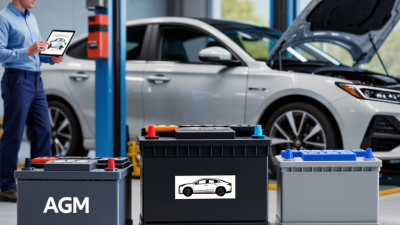
Absorbent glass mat batteries hold electrolyte in a glass-fiber separator. This design reduces leakage and keeps active material pressed against the plates. It also handles vibration and repeated cycling more effectively. However, it demands accurate charging. Excessive voltage can dry the internal material and shorten service life.
Plate thickness matters. Thicker plates usually tolerate deeper discharge, while thinner plates can provide strong starting power with less reserve. Corrosion-resistant grids also help, especially beneath a hot engine hood. Separators must prevent internal contact while allowing ions to move efficiently. A tiny manufacturing weakness can become a failure months later.
In practical inspections, a battery may look clean yet show rising internal resistance. Slow cranking on a cold morning often reveals that hidden damage. Still, chemistry is not the whole story. Short trips, weak charging systems, loose terminals, and extreme heat can defeat a well-built battery. I sometimes overestimate construction quality when usage patterns matter more. A careful test under load gives better evidence than appearance alone.
How Temperature, Charging, and Vehicle Use Affect Battery Wear
A car battery can seem healthy at noon and struggle at dawn.
AAA’s battery guidance puts typical service life at about three to five years, but temperature can shift that range. At 0°F, a battery may deliver only about 60% of its starting power; the engine can need nearly twice the cranking power it needs at 80°F. Cold exposes weakness. Heat causes quieter damage. Battery Council International’s technical guidance identifies high temperatures as a factor in faster grid corrosion and water loss in lead-acid batteries. A battery parked above a hot engine faces that stress daily. These figures are useful, not guarantees; battery design and climate vary.
Charging habits matter. Repeated short drives may not give the alternator enough time to replace energy used during startup, especially with lights, fans, and heated seats running. Long periods parked can also let small electrical loads drain the battery. A fully charged battery generally tolerates cold better than a partly discharged one, so checking its charge before winter is practical. Yet frequent deep discharges can shorten service life, even when the battery starts again afterward. The inconvenient detail: a long drive does not always restore a weak battery. AAA recommends checking battery condition as part of routine maintenance; a voltage test can reveal trouble before a slow, clicking start becomes your morning problem.
How Maintenance and Driving Habits Help Extend Battery Life
Car batteries rarely fail without warning, but daily routines can quietly shorten their lives. Consumer Reports’ battery guidance puts typical service life at about three to five years; climate and use can shift that range. AAA also cautions that heat accelerates battery wear. A car parked for hours in direct summer sun faces a tougher job than one kept in shade. Small choices matter.
Keep the battery case and terminals clean, and check that the clamps feel secure. Corrosion around a terminal can interfere with electrical flow. If you see a crusty deposit, ask a qualified technician to clean and inspect it safely. Repeated short trips may leave too little time for the alternator to replace the charge used at startup. A weekly longer drive can help, though it is not a cure for an aging battery. Avoid running lights or accessories with the engine off. Have the battery tested before winter, especially after several years of service. I still tend to ignore a slow crank until it becomes inconvenient. That’s not ideal. A quick test can catch declining capacity before a cold morning makes the problem obvious.
Why Do Some Car Batteries Last Longer Than Others?
Estimated service-life ranges under different conditions
These are general estimates, not guaranteed outcomes. Frequent short trips may leave less time to recharge the battery, while high temperatures can accelerate battery wear. Routine checks and clean, secure terminals help prevent avoidable problems. Conditions can overlap, and battery life also depends on the vehicle, battery type, climate, and charging system.
How to Check Battery Health and Select a Replacement
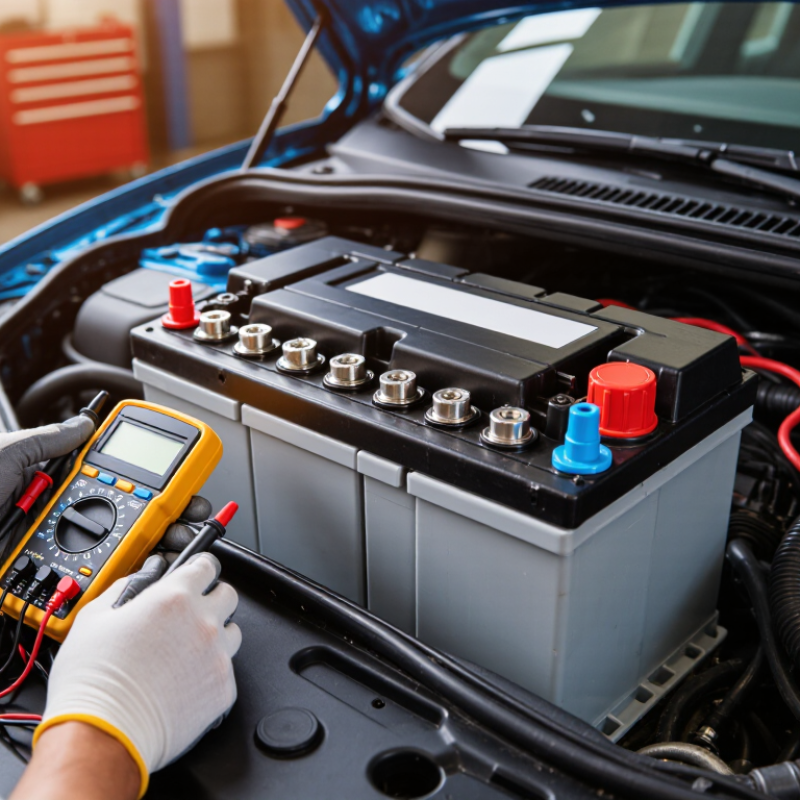
A healthy-looking battery can still fail on a cold morning. AAA’s 2017 battery study tested nearly 15,000 vehicles and found roughly one in three had a weak battery or needed replacement. Check yours before trouble starts. With the engine off for several hours, measure voltage at the terminals: about 12.6 volts often indicates a fully charged lead-acid battery. But voltage alone cannot reveal how well it performs under load. Numbers need context. Ask a repair technician to run a conductance or load test and compare the result with the battery’s rated cold-cranking amps (CCA). Corrosion, loose clamps, and a slow start are useful clues, not proof.
When choosing a replacement, match the vehicle’s specified group size, terminal layout, and battery chemistry. Meet or exceed the recommended CCA and check reserve capacity, especially if the car has heavy electrical demands. Vehicles with start-stop systems may require a specific enhanced flooded or absorbed glass mat battery; fitting the wrong type can shorten service life. Check the owner’s manual, not just the label on the old battery. A battery that fits the tray may still be the wrong choice. If repeated tests show a weak result, ask whether a charging-system fault is involved before replacing it. That step is easy to overlook.