Top RACV Car Battery Types for Global Buyers?
Choosing the right battery for an international vehicle can feel simpler than it really is. The term “racv car battery” often points buyers toward trusted automotive support and replacement advice, but battery selection still depends on the vehicle. Engine size, electrical demand, climate, and driving patterns all matter.
This guide examines common battery types available to global buyers, including flooded lead-acid, EFB, AGM, and selected lithium options. Each type offers different strengths. A flooded battery may suit a conventional vehicle and a modest budget. EFB technology can support many vehicles with basic start-stop systems. AGM batteries generally handle higher electrical loads and repeated cycling more effectively. Lithium batteries can reduce weight, but they require careful compatibility checks and professional installation.
Check the label carefully.
Important details include cold-cranking amps, reserve capacity, case dimensions, terminal position, and polarity. A battery that fits physically may still fail electronically. Modern vehicles can also require battery registration or energy-management calibration after replacement. That detail is easy to miss.
Climate changes the decision. Hot regions can accelerate battery aging, while cold areas demand stronger starting performance. Global buyers should also confirm warranty coverage, transport conditions, local service support, and charger compatibility. Product specifications are useful, but they do not replace the vehicle manufacturer’s requirements.
There is no universal winner. Even expert recommendations can change after inspecting one specific vehicle. This comparison aims to provide practical, evidence-based guidance while acknowledging that battery life depends on maintenance, usage, and installation quality.
12-Volt RACV Battery Fundamentals: CCA, Ah Ratings, and Starting Power
Top RACV Car Battery Types for Global Buyers?
A 12-volt RACV battery should be judged by more than physical fit. Cold-cranking amps (CCA) measure starting strength at low temperature. Under SAE J537 testing, CCA is measured at -18°C for 30 seconds while a 12-volt battery maintains at least 7.2 volts. Higher CCA helps engines start in freezing conditions. It does not automatically mean longer battery life.
Ampere-hours (Ah) describe stored capacity during a controlled discharge, commonly over 20 hours under EN 50342 testing. A 60Ah battery can theoretically deliver 3 amps for 20 hours, though real performance changes with temperature, age, and load. The Battery Council International reports that automotive lead batteries remain highly recyclable in established collection systems, supporting their continued use worldwide. Recycling access still varies by region.
For daily vehicles, match CCA to the engine and local climate. A small petrol engine may need less starting current than a high-compression diesel engine. Ah matters more when accessories draw power while the engine is off. Measure the tray, terminal layout, and hold-down system carefully. A battery can fit electrically but fail mechanically. That mistake is common. Also check the vehicle’s charging system, because repeated undercharging can shorten service life. Manufacturer specifications and verified test data deserve more trust than oversized numbers printed on a sales label.
12-Volt RACV Car Battery Fundamentals
Representative ratings for common 12-volt automotive battery types. Cold Cranking Amps (CCA) indicate starting power in cold conditions, while Ampere-hours (Ah) describe approximate energy storage capacity. Actual ratings vary by battery size and application.
How Climate Changes Battery Life: 3–5 Years in Typical Conditions
A car battery commonly lasts three to five years in typical conditions, but climate can shorten that window. Heat speeds chemical reactions inside lead-acid batteries, increasing water loss and plate corrosion. In a hot region, an under-hood battery may age faster than its calendar suggests. Cold weather creates another problem. Thickened engine oil demands more starting power, while a weak battery delivers less current.
For global buyers, battery design matters as much as capacity. Conventional flooded batteries suit many standard vehicles and offer practical replacement costs. EFB batteries support cars with moderate stop-start use. AGM batteries handle repeated cycling and vibration better, although they cost more. Some modern vehicles require the battery type and charging profile specified by the vehicle maker. A larger battery is not automatically safer.
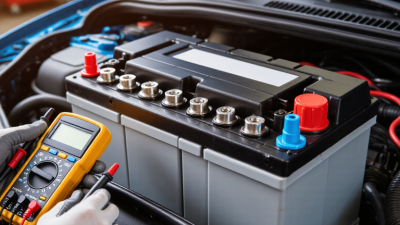
Real-world checks reveal more than a label. I would inspect the case for swelling, terminals for white corrosion, and the hold-down for looseness. A voltage test after the car rests can expose weakness, but a load test is more informative. Short trips, long storage, and heavy accessories can reduce service life. I once treated three years as a failure; that was too simple. Maintenance habits and local temperature both deserve attention.
Selecting CCA and Reserve Capacity for Global Driving Environments
Choosing a car battery for global driving starts with CCA and reserve capacity, not appearance. Cold cranking amps measure starting strength at -18°C for 30 seconds, under SAE J537 testing. A higher CCA rating helps engines start in alpine winters or during repeated cold mornings. However, excessive CCA is not automatically better. The battery must match the vehicle’s electrical system and approved specifications.
Reserve capacity shows how long a battery can supply 25 amps before voltage falls to 10.5 volts, according to SAE J537. This rating matters in hot cities, traffic queues, and vehicles using lights, cooling fans, or navigation systems. The Battery Council International technical guidance commonly places service life near three to five years, but heat, vibration, and frequent short trips can shorten it. That estimate feels neat. Real roads are less cooperative.
Tips: Choose CCA for the lowest expected temperature, then check reserve capacity for accessory demand. In tropical regions, prioritise heat-resistant construction and regular voltage tests. In cold regions, avoid selecting only by engine size. A diesel engine may need substantially more starting current. The International Energy Agency reports that global car ownership and electrification are changing accessory loads, so older replacement habits may become unreliable. Check the vehicle manual, battery dimensions, terminal layout, and charging-system requirements before purchase. A quick professional test can reveal weak capacity, even when the engine still starts.
Top RACV Car Battery Types for Global Buyers? - Selecting CCA and Reserve Capacity for Global Driving Environments
| Battery Type |
Typical Vehicle Application |
Recommended CCA Range |
Recommended Reserve Capacity |
Best-Suited Driving Environment |
Selection Considerations |
| Flooded Lead-Acid |
Conventional petrol or diesel vehicles with standard electrical loads |
400–650 CCA |
70–110 minutes |
Temperate climates and regular daily driving |
Usually economical; requires correct ventilation, secure mounting, and maintenance according to the vehicle manual. |
| Enhanced Flooded Battery |
Vehicles with basic stop-start systems and moderate accessory demand |
500–750 CCA |
80–120 minutes |
Mixed urban and highway use in mild to warm regions |
Offers improved cycling capability over a conventional flooded battery; replacement should match the vehicle’s charging system. |
| Absorbent Glass Mat |
Advanced stop-start vehicles, premium electrical systems, and vehicles with high accessory loads |
600–900 CCA |
90–150 minutes |
Cold climates, heavy traffic, frequent starts, and demanding electrical environments |
Strong vibration resistance and cycling performance; it should not be replaced with a lower-specification battery where AGM is specified. |
| Gel Lead-Acid |
Specialized auxiliary, recreational, or low-ventilation applications |
350–650 CCA |
90–180 minutes |
Moderate climates where deep-cycle capability is more important than peak starting power |
Not suitable for every engine-starting application; charging voltage must remain within the manufacturer’s specified limits. |
| Lithium Iron Phosphate |
Selected auxiliary systems, motorsport, recreational vehicles, and approved specialist conversions |
300–700 CCA equivalent, depending on design |
60–150 minutes, depending on rated capacity |
Weight-sensitive applications and moderate climates with compatible electrical systems |
Must include an appropriate battery-management system; cold-temperature charging limits and vehicle compatibility require careful verification. |
Global selection guide: Choose CCA according to the lowest starting temperature expected in the operating region, while selecting reserve capacity according to electrical load, traffic conditions, accessory use, and the time the vehicle may need to operate with limited alternator output. CCA and reserve-capacity values are typically measured under standardized test conditions, so always confirm the required battery size, terminal layout, polarity, technology, and rating in the vehicle manufacturer’s specifications.
Battery Fitment Standards: Size, Polarity, Technology, and RACV Compatibility
Choosing a suitable car battery begins with fitment, not price. Check the vehicle manual, battery tray, and original label before ordering. Size codes vary by market, such as DIN, JIS, and BCI. Their dimensions are not interchangeable.
Polarity is equally important. Stand beside the battery terminals and confirm whether positive sits on the left or right. Cable reach can be limited. A battery with reversed polarity may not connect safely. Technology also matters. Conventional flooded batteries suit many older vehicles, while EFB or AGM units support frequent stop-start cycles and higher electrical loads. Do not replace an AGM battery with a basic flooded type without checking the vehicle’s charging system. That shortcut can reduce service life.
Tips: Measure length, width, and height twice. Confirm terminal shape, hold-down design, cold-cranking performance, and reserve capacity. Vehicles with battery monitoring systems may need electronic registration after replacement. Roadside-assistance compatibility usually depends on correct size, polarity, and starting performance, not a universal battery label. Still, specifications can be misunderstood across countries. I have seen near-identical cases differ by only a few millimetres, yet the retaining bracket failed to secure them properly. When uncertain, compare the old battery’s code with an official fitment chart and ask a qualified technician to verify the result.